In ancient times, all gardens contained not only ornamental plants but also a respectable selection of aromatic and edible plants. In temples, it was essential to cultivate the plants used in rituals, while those working in medicine needed access to the plants and herbs required for remedies, and in the kitchen herbs were needed to season food.
Today, it is no longer strictly necessary to have these plants, but it is a delightful pleasure to pick a few leaves for an infusion or to garnish dishes. And the best part? Creating your own herb garden is not complicated at all.
The easiest-care aromatic plants
Mint: Mint has digestive properties; it is a natural remedy for relieving bloating, nausea, and stomach discomfort. It is very refreshing and has a high iron content, so it can help combat anemia. It is also used to relieve congestion in the respiratory tract during colds.
This plant is biennial, low-growing, and spreads widely. It can be very invasive, so it is recommended to plant it alone. It grows in any type of soil, needs plenty of light, and regular watering.
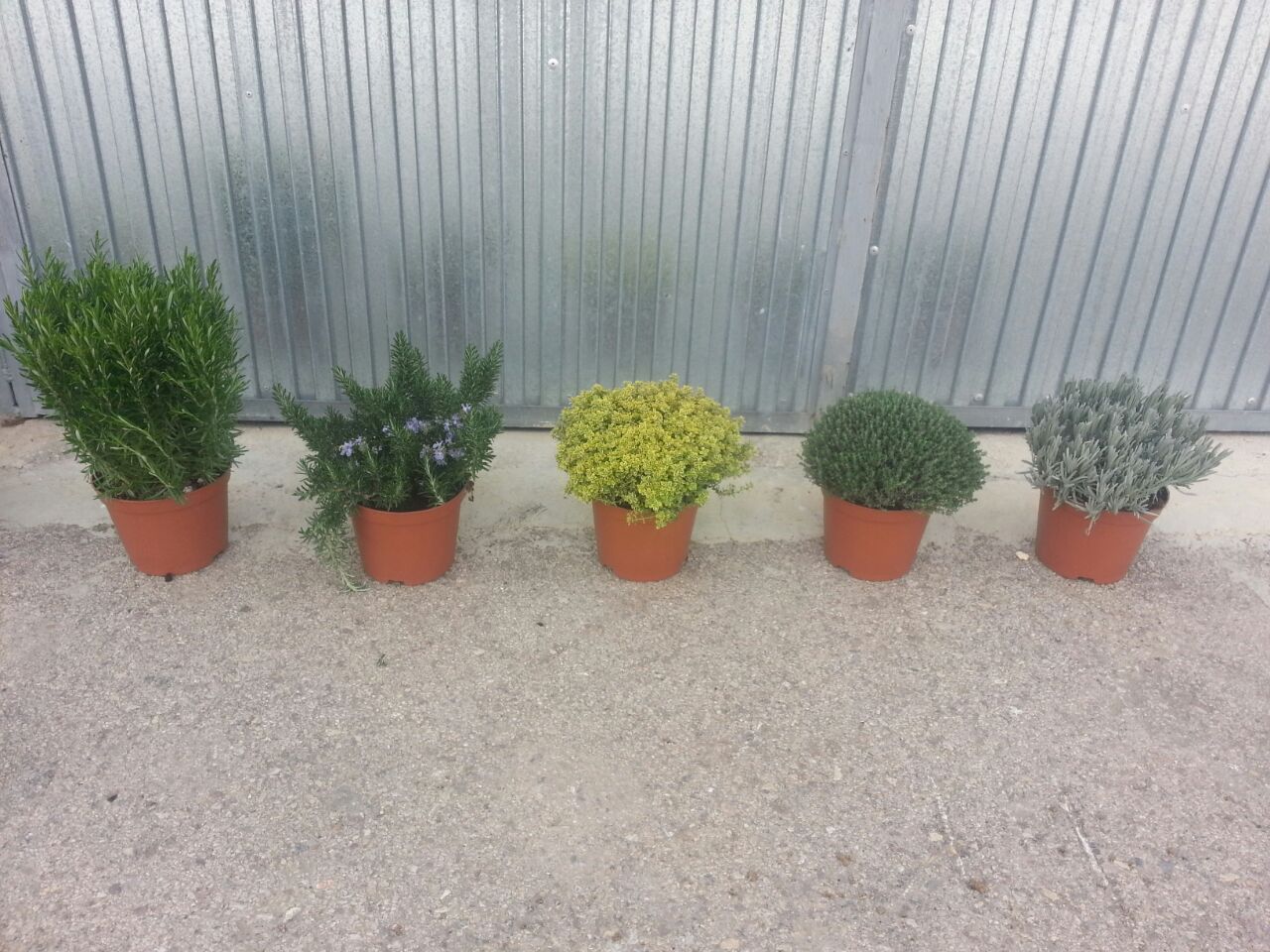
Thyme: It has anti-inflammatory and digestive properties and is very versatile in cooking. It is almost impossible to prepare Mediterranean recipes without it.
This plant is perennial, but if you remove flowers and seeds as soon as they appear, its lifespan can be extended. It tolerates both sun and partial shade, but does not withstand very low temperatures. It needs regular watering, as it quickly looks wilted at the slightest sign of drought.
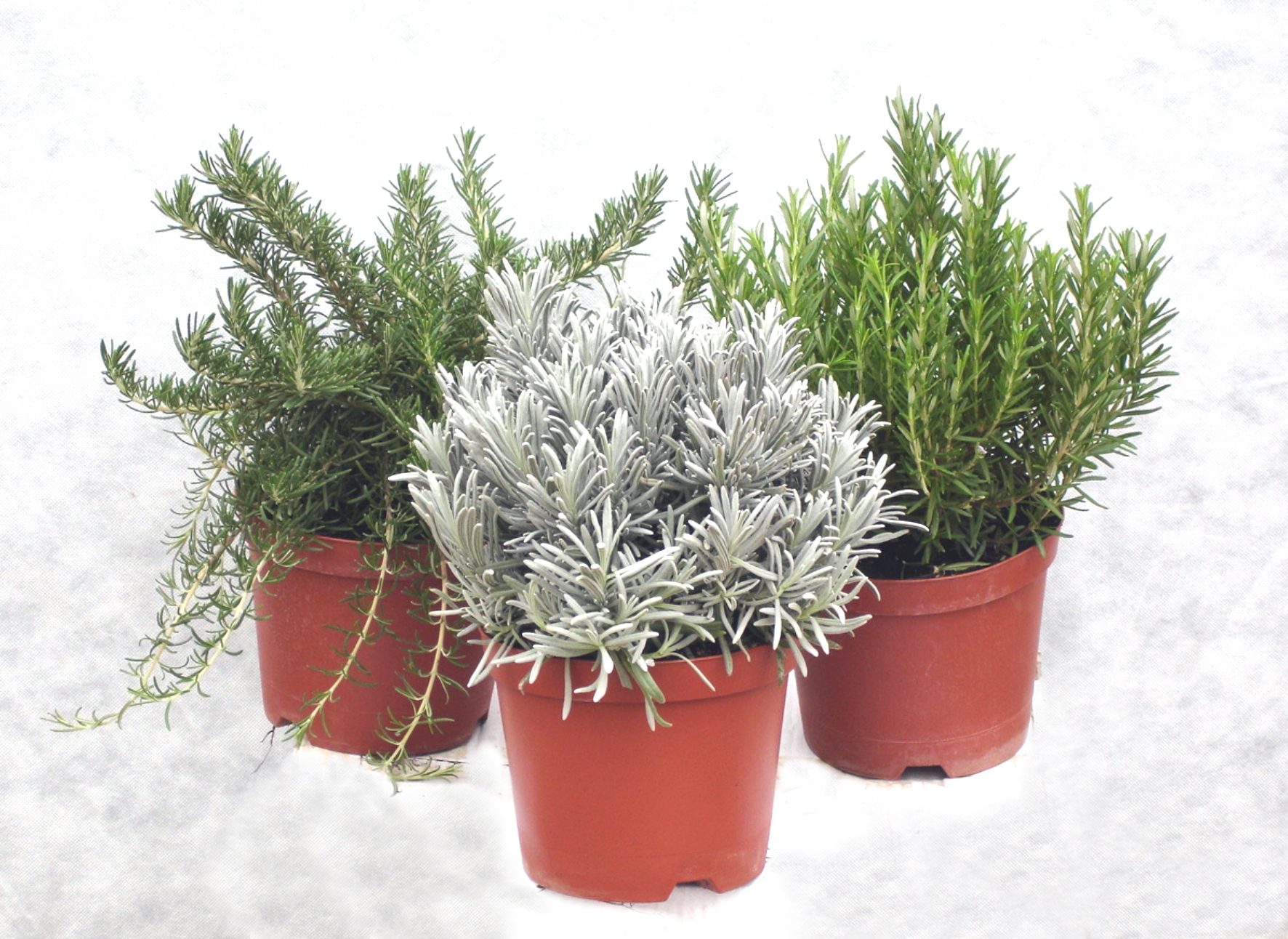
Rosemary: The star of the kitchen. It can be used to season stews, roasts, sauces, poultry, meat, and pork. It can be mixed with butter or cream cheese to create a delicious dip or used to flavor potatoes and chicken. Rosemary is very hardy, has a woody stem, and can grow into a one-meter-tall bush, becoming very lush when planted in the ground. It also grows well in pots.
Lavender: It has antiseptic properties but is mainly used for its delightful aroma. In aromatherapy, it is highly valued for its relaxing and calming effects. It is said that having it near the bed leads to pleasant and peaceful dreams. Lavender teas are not only fragrant but also ideal for nervous conditions.
It tolerates drought well and should be pruned to keep it vigorous.
Also: oregano, chamomile, parsley, dill, coriander, and many more.
Utilizamos cookies propias y de terceros para mejorar nuestros servicios y la experiencia de uso de este sitio web. Al continuar con la navegación entendemos que se acepta nuestra política de cookies.