Agave
Origin and Appearance
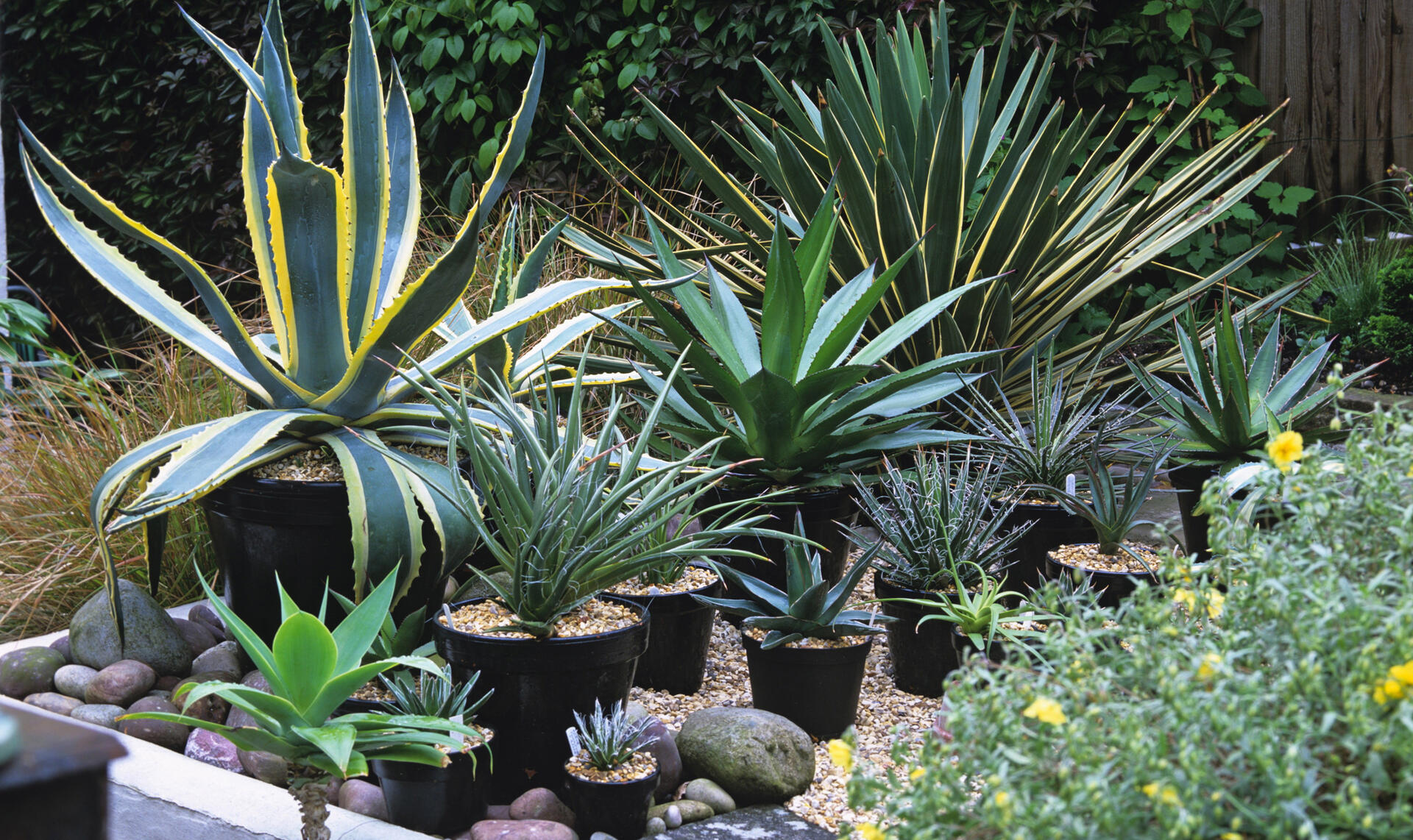
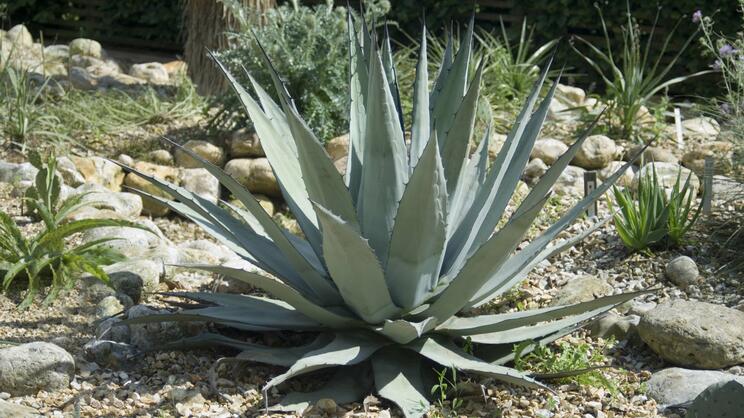
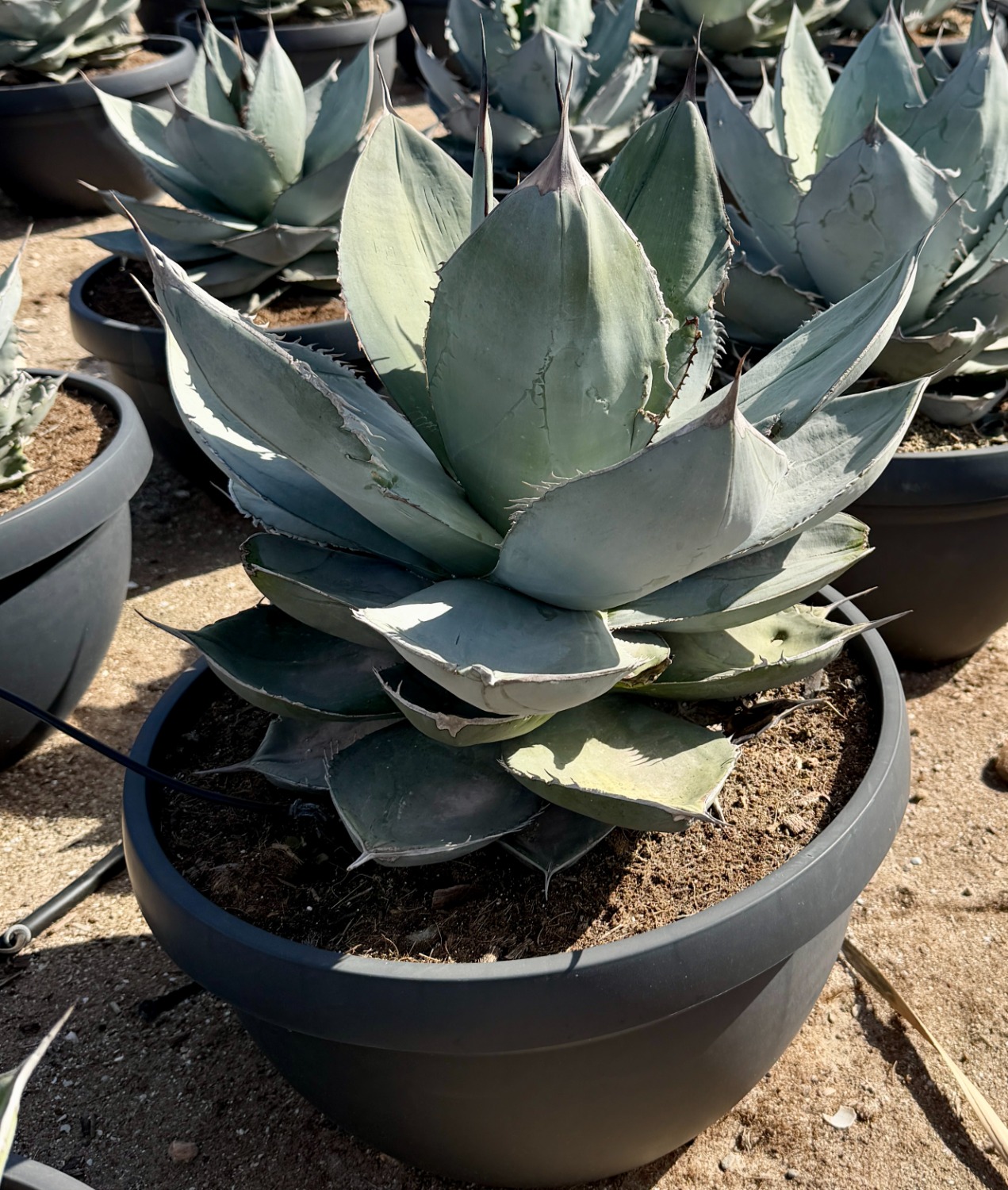
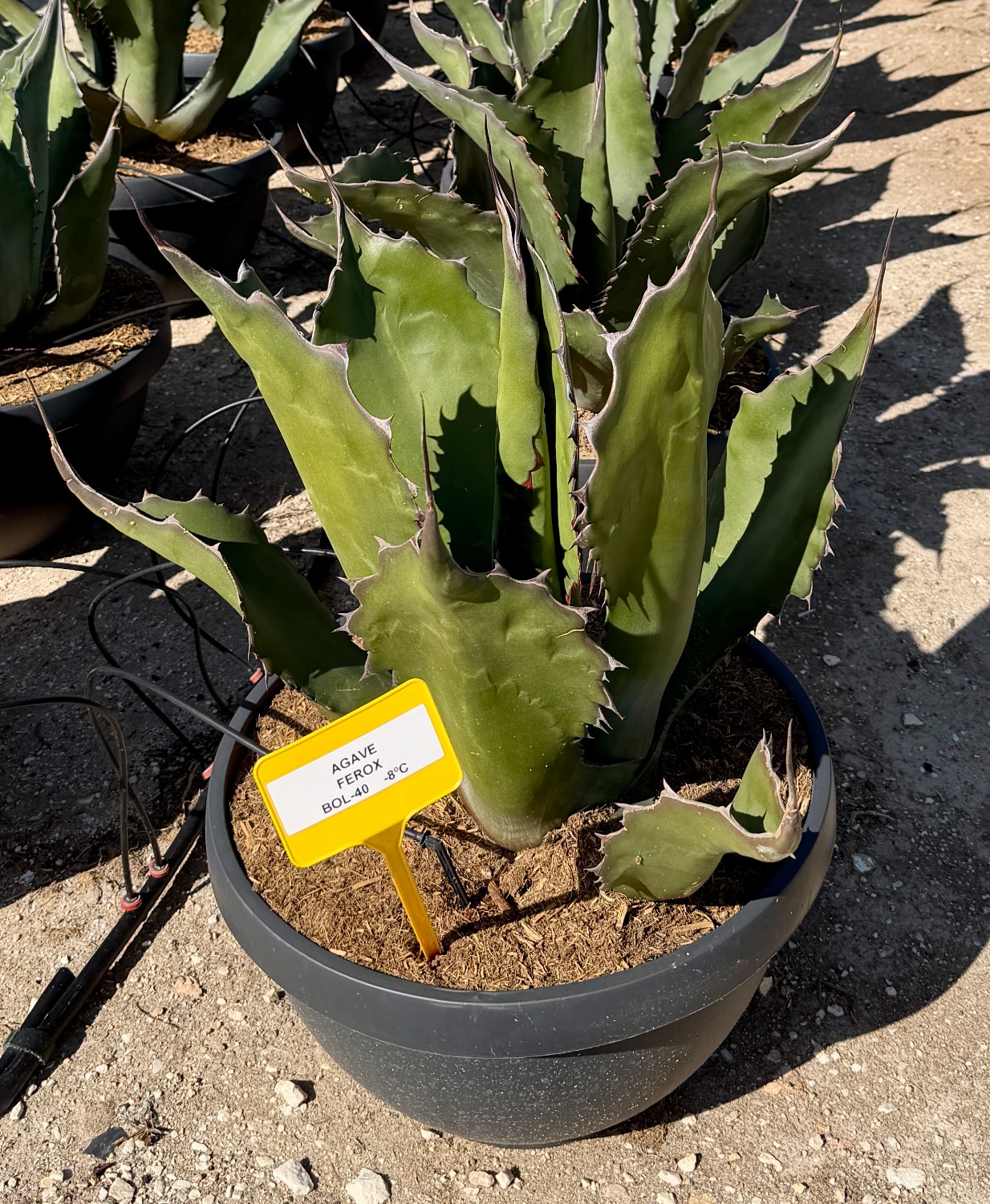
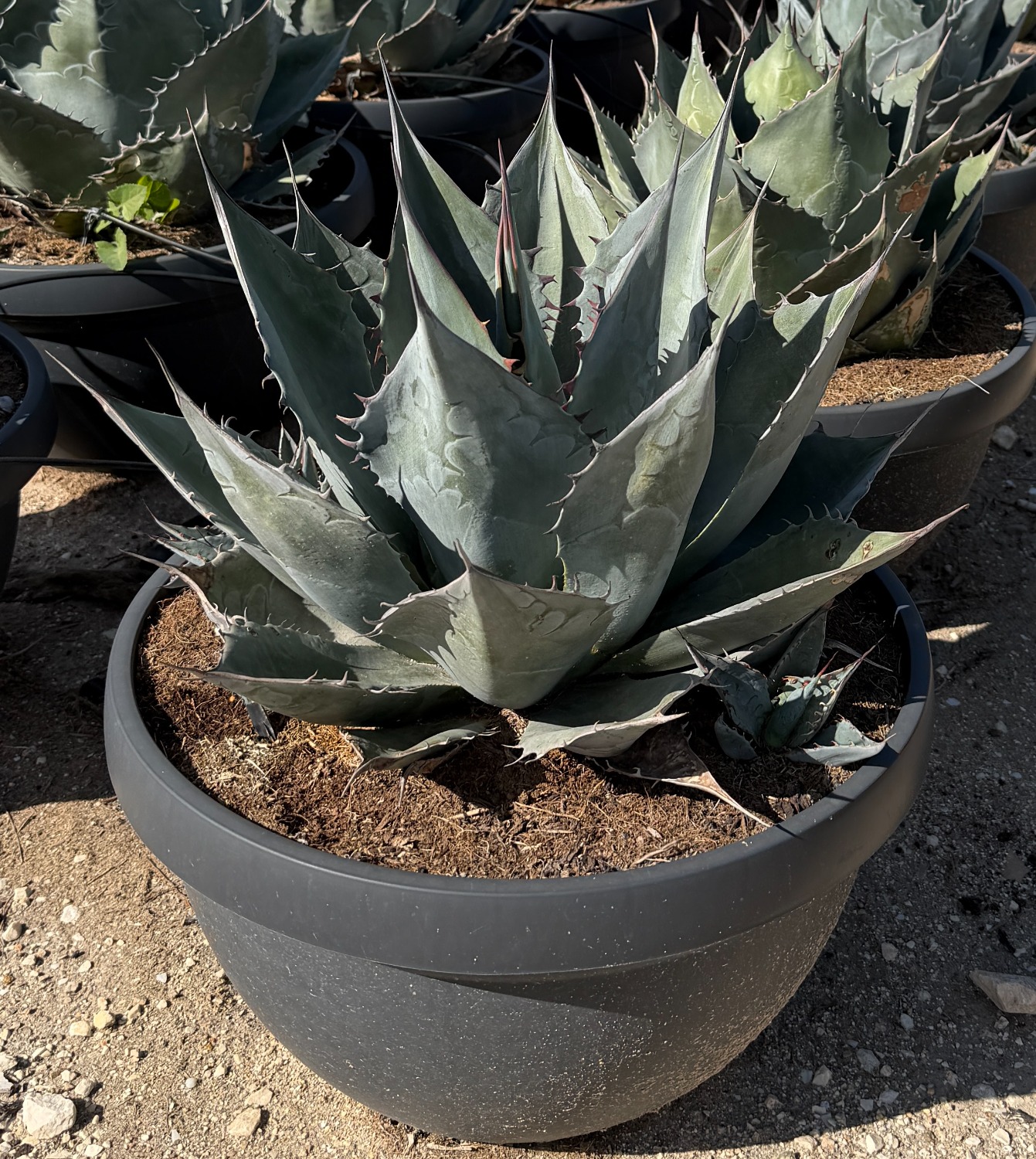
Agaves (Agave) are succulent plants commonly grown indoors or in containers. They are characterized by their highly decorative, fleshy, sword-shaped leaves, which emerge in a rosette pattern from a central base. In some species, the leaf rosette sits atop a short stem. Depending on the variety, the leaves may be green or bluish-green, although multicolored cultivars also exist. One example is Agave americana var. medio-picta ‘Alba’, whose leaves feature a distinctive white stripe along the center.
These succulents are true drought specialists. Like aloes and stonecrops, they store water in their thick leaves. In addition, the leaf surface is often covered with a waxy coating and fine hairs that help protect the plant from drying winds. This adaptation allows agaves to withstand extended periods of drought. Depending on the species, individual leaves can reach up to 150 cm (59 in) in length and 20 cm (8 in) in width, resulting in impressively large specimens over time.
Agaves are native to southern North America, Central America, and the northern regions of South America, where they thrive in desert and semi-desert environments. However, they are also a familiar sight throughout the Mediterranean region, including the Costa Brava and many Greek islands. The first agaves were introduced there after the discovery of the Americas and gradually spread across the region.
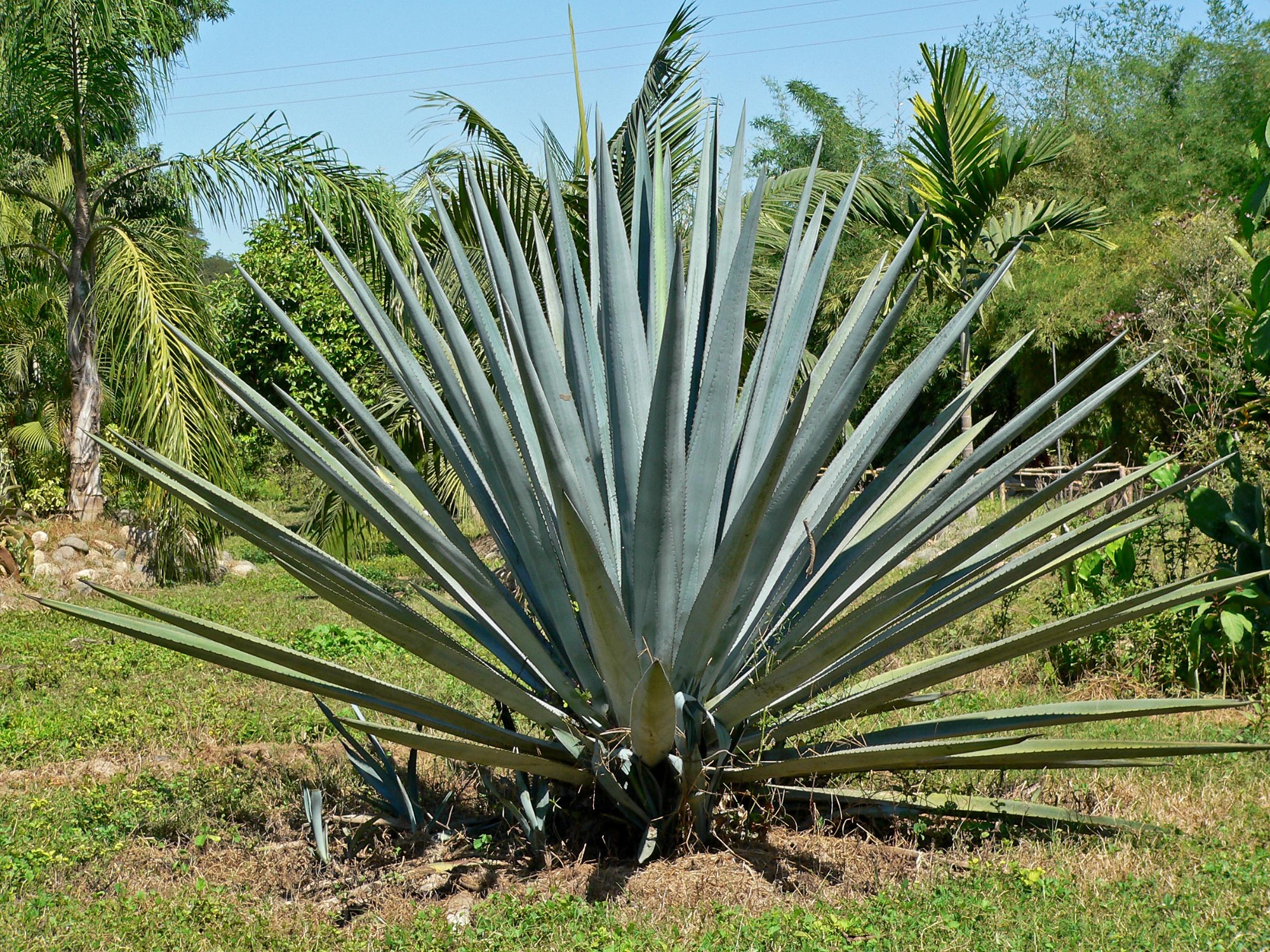
In their native habitats of Mexico and Central America, agaves have significant economic value. For example, the sisal agave (Agave sisalana) is an important source of natural fiber, while several species are used to produce agave syrup, a sweetener widely used in modern cuisine. Perhaps the most famous agave-derived product is tequila, a distilled spirit made exclusively from the heart of the Blue Agave (Agave tequilana).
More than 200 species belong to the Agave genus. One of the best-known among gardeners is the American Agave (Agave americana). Due to its impressive size—its leaf rosette can reach up to three meters (10 ft) in diameter—it is best suited for very large containers. It is also one of the hardiest agave species and can tolerate temperatures below -10°C (14°F). While a few species, such as Agave megalacantha and Agave parryi, are relatively frost-resistant, most agaves cannot survive winter outdoors in colder climates and are therefore grown as container plants or houseplants. Compact species such as the Thread Agave (Agave filifera) and Queen Victoria Agave (Agave victoriae-reginae) are especially recommended for indoor cultivation.
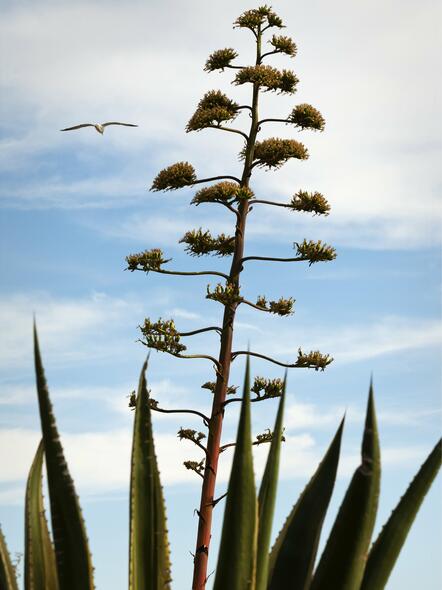
Agaves belong to the asparagus family (Asparagaceae). Interestingly, their flowering stalks— which can grow up to 12 meters (39 ft) tall depending on the species—bear a striking resemblance to giant asparagus spears. These dramatic flower stalks emerge from the center of the leaf rosette, particularly in the American Agave. However, flowering may take many years. In its natural habitat, Agave americana typically blooms after 10 to 15 years, while in Central Europe it may take up to 50 years. Because people once believed the plant flowered only once every hundred years, it became known as the “Century Plant,” a name still widely used today.
A flowering agave is a rare sight—and for good reason. Many species die after blooming. When flowering occurs, the tall stalk bears multiple clusters of blossoms, often arranged on short branches. These clusters consist of numerous individual flowers, most commonly yellow in color, creating a spectacular display.
Source adapted from Mein Schöner Garten.