Japanese Fiber Banana (Musa basjoo)
Japanese Fiber Banana (Musa basjoo)
Origin
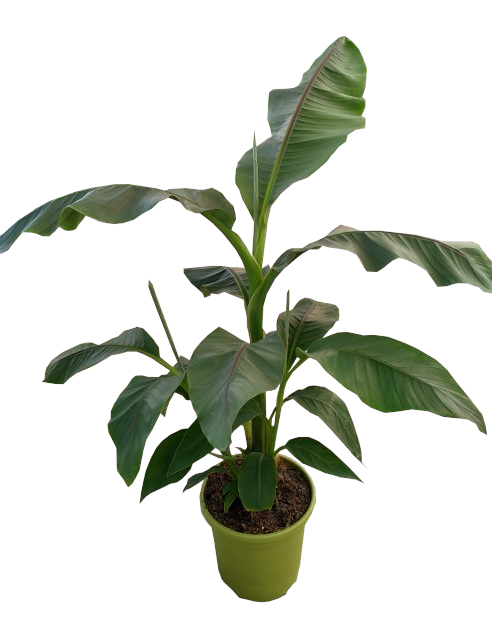
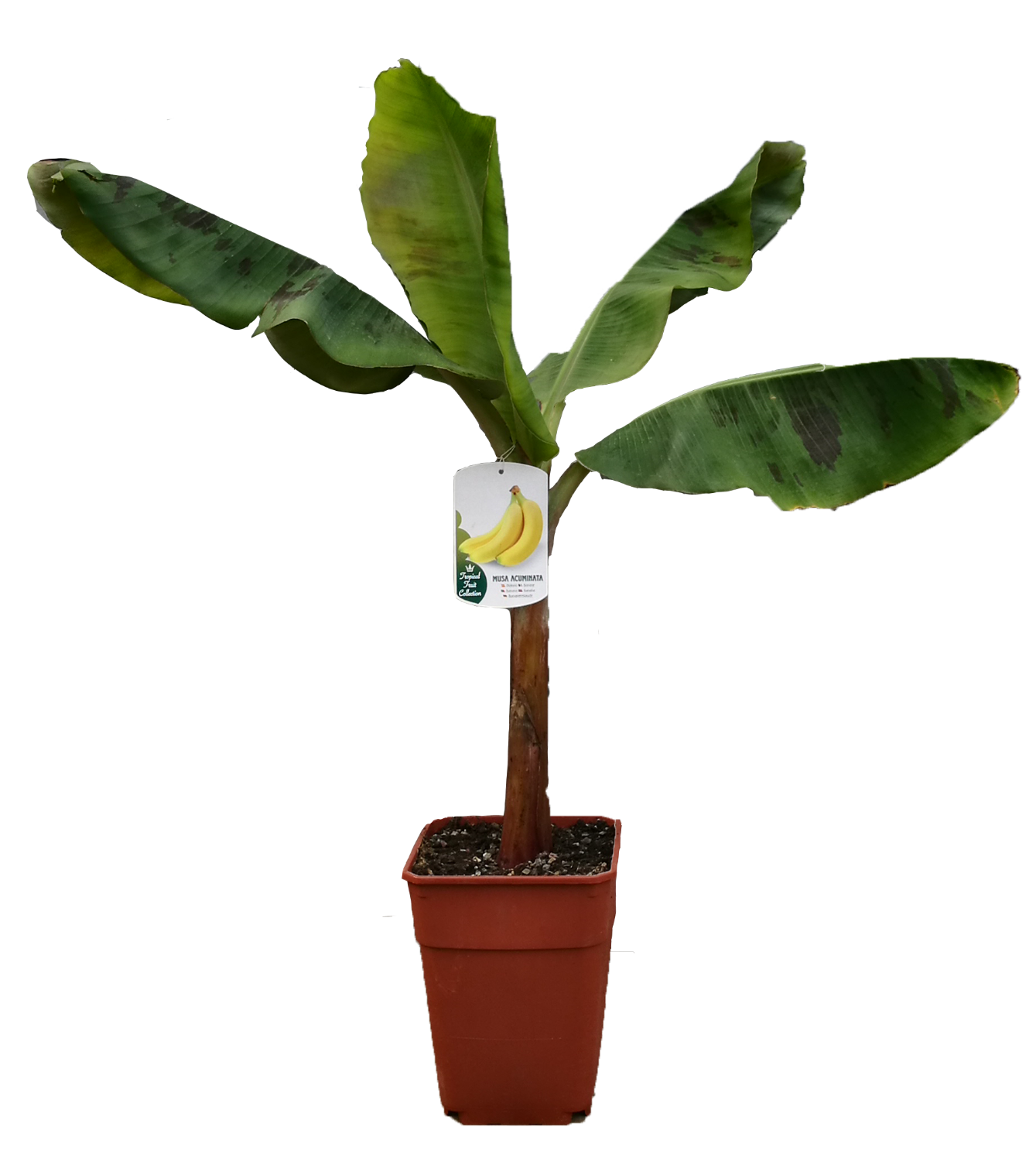
The Japanese Fiber Banana (Musa basjoo) is a highly popular ornamental foliage plant that brings a genuine tropical atmosphere to gardens, patios, and conservatories. It belongs to the banana family (Musaceae), along with the Dwarf Cavendish Banana (Musa acuminata).
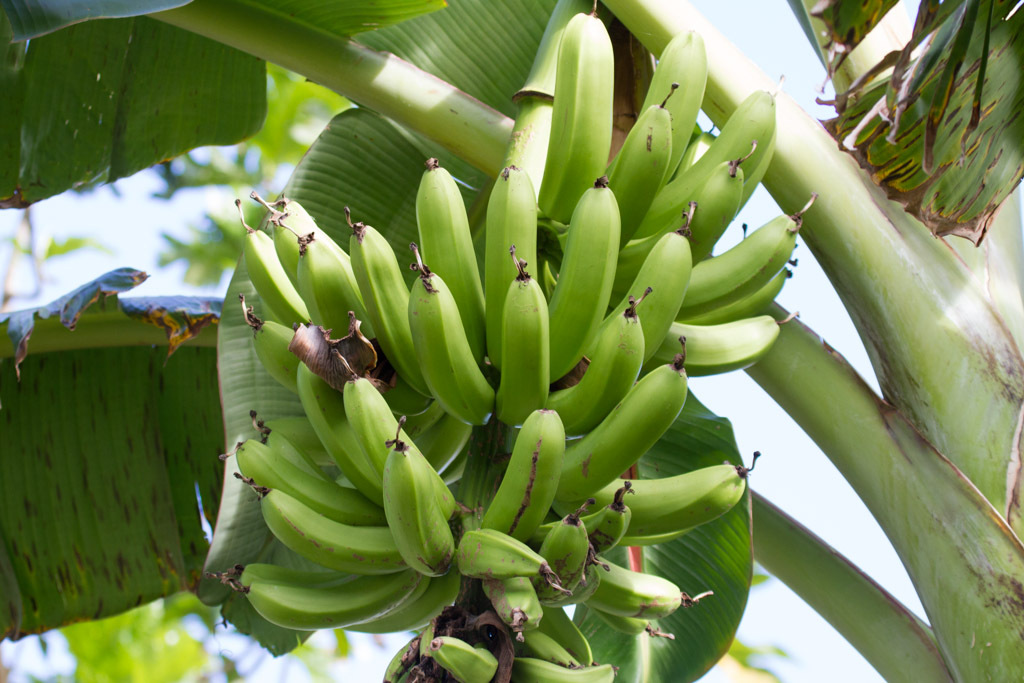
Unlike the dessert banana (Musa × paradisiaca), which is widely cultivated for its edible fruit, Musa basjoo is primarily grown as an ornamental plant. Although it produces attractive flowers and small fruits, these fruits are generally not suitable for consumption. Despite its common name, the Japanese Fiber Banana actually originates from China rather than Japan.
Growth Habit
Many people assume that bananas grow on trees, but botanically speaking, the banana plant is a perennial herb rather than a tree. With its enormous leaves and rapid growth rate, Musa basjoo quickly develops into an impressive architectural plant.
In humid locations protected from direct sunlight, plants can reach heights of 4 to 5 meters (13–16 feet). Through underground rhizomes and root suckers, the banana continuously produces new shoots, eventually forming a striking clump that becomes a focal point in the landscape.
Foliage
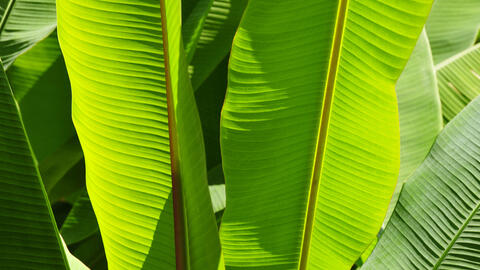
The spectacular foliage is the plant’s most distinctive feature. Its gracefully arching leaves can grow between 1 and 2 meters (3–6.5 feet) long and approximately 30 centimeters (12 inches) wide.
The bright green leaves are carried on sturdy leaf stalks around 30 centimeters long, creating a lush tropical appearance. In many cultures, banana leaves are traditionally used in cooking to wrap, steam, and serve food.
Flowers
Banana plants typically begin flowering after approximately five years of growth. The large flower clusters are surrounded by striking purple bracts that gradually fall away as the flowers develop.
The blooms emit a subtle honey-like fragrance and can be highly decorative. Botanically, bananas are classified as berries. However, fruit production occurs only in consistently warm climates. In most temperate regions, the growing season is too short for the fruit to ripen fully, making it unsuitable for consumption.
After fruiting, the main stem naturally dies back. Before this happens, the plant produces side shoots that replace the original stem, ensuring continued growth and regeneration.
Location
The Japanese Fiber Banana is an excellent choice for both warm and cool conservatories. Thanks to its relative cold hardiness, it can tolerate temperatures down to approximately -10°C (14°F) and may be planted outdoors in regions with mild winters.
When grown in the garden, it thrives in a sunny, warm location. A sheltered position protected from strong winds is highly recommended, as the large leaves can easily tear during windy conditions, affecting the plant’s appearance.
Care and Maintenance
Watering
Musa basjoo has a high water requirement. During the summer months, container-grown plants may need generous watering several times a day.
Good drainage is essential, as banana plants do not tolerate waterlogged soil. Outdoor specimens should be monitored regularly during warm weather to ensure the soil remains consistently moist. An occasional spray with a garden hose can also help keep the foliage healthy and fresh.
Fertilizing
Because of its rapid growth and large leaves, the banana plant requires a substantial supply of nutrients.
During the growing season, apply a nitrogen-rich liquid fertilizer every two weeks to encourage vigorous growth. Alternatively, a slow-release fertilizer can be incorporated into the potting mix or planting hole. Outdoor plants also benefit from an annual application of compost in spring.
Fertilization should be stopped in autumn as the plant prepares for its dormant period.
Pruning
To maintain a tidy appearance, remove faded or damaged leaves by cutting them off at the base.
For winter protection, the main stem is often cut back before overwintering. In spring, new growth emerges from the center of the plant. Container-grown specimens kept in warm indoor conditions year-round generally do not require pruning.
A Tropical Statement Plant
With its dramatic foliage, rapid growth, and exotic appearance, Musa basjoo is one of the most impressive ornamental plants for gardens, terraces, and conservatories. Whether planted as a standalone specimen or incorporated into a tropical-style landscape, it creates an unmistakable sense of lush greenery and architectural beauty.
Source adapted from Mein Schöner Garten.