Leptospermum scoparium: Manuka, the tea tree
Leptospermum scoparium
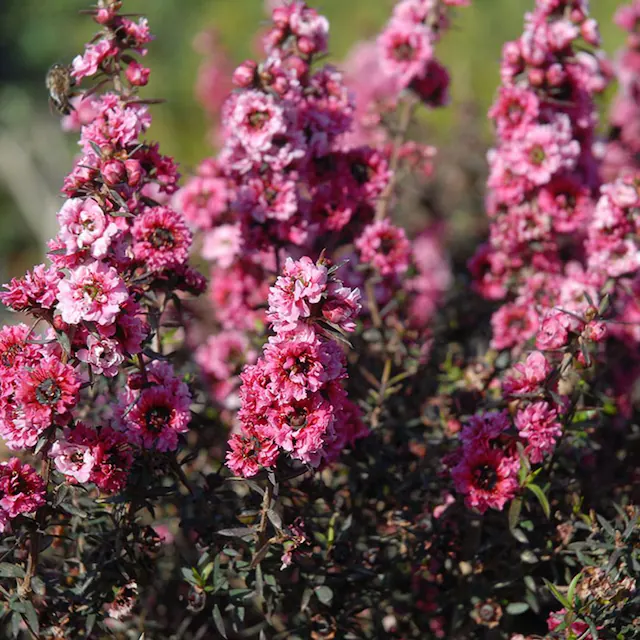
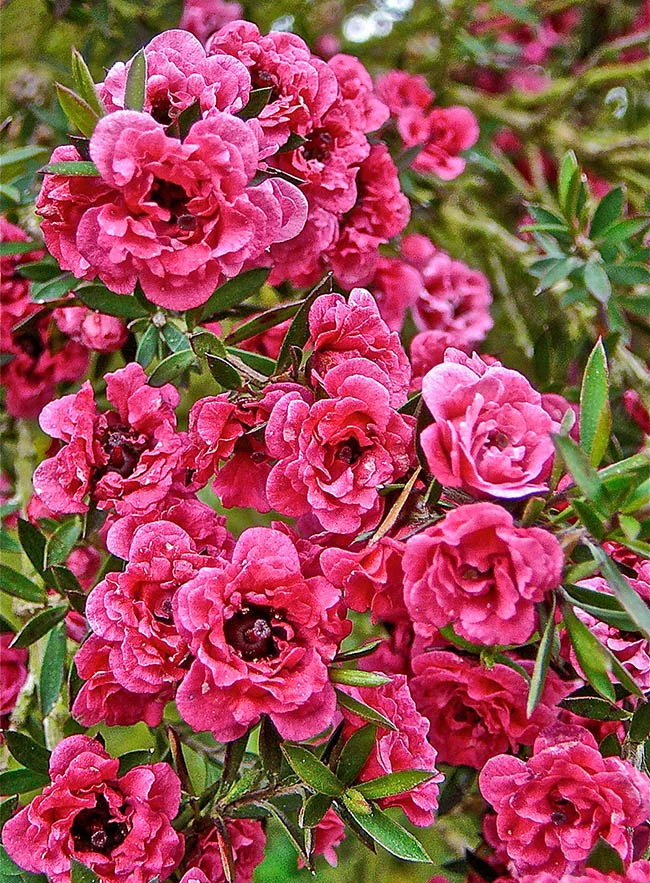
Leptospermum scoparium stands out among the shrubs native to New Zealand, Tasmania, and southeastern Australia, which, thanks to their abundant spring flowering in shades of red, magenta, pink, or white, grow easily in most parts of Spain. It tolerates drought and temperatures down to -7ºC. This species has produced numerous cultivars that surpass one another in flower color and the complexity of their blooms. It is also a low-maintenance plant that is generally free of pests and fungi.
It is said that the legendary Captain James Cook referred to Leptospermum as “tea tree” during his second voyage to the South Seas after drinking an infusion prepared by the indigenous people. The Māori used the leaves of the mānuka plant (its native name) in traditional medicine due to their antimicrobial properties. These properties are also found in mānuka honey, which is now used in medicine. Leptospermum scoparium was described by the naturalists Johann Reinhold and Georg Forster, who accompanied Cook on his expedition. The genus name comes from the Greek words leptos and sperma, meaning “fine seed”; the specific Latin name scoparium refers to a broom or brush.
Leptospermum species are also popular as ornamental plants, especially in temperate and coastal regions. They tolerate different soil types and climates, and some varieties have variegated or double flowers.
Some species are also used for bonsai, floristry, and woodworking. The wood is hard and durable and can be used to make furniture, tools, and musical instruments.
Leptospermum is a diverse and useful plant genus that deserves more recognition and appreciation. They are not only beautiful but also beneficial for people, animals, and the environment.