Halloween: The History of Pumpkins and Spooky Figures
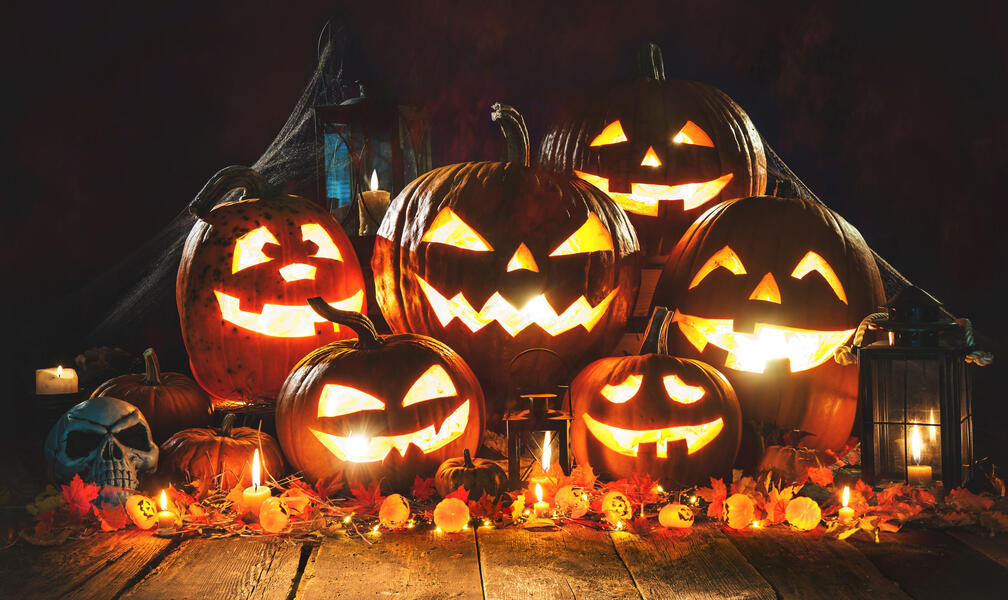
Even as children, we used to carve faces into pumpkins, place a candle inside and set the pumpkin by the front door. This tradition has since been expanded to include the American folk custom of ‘Halloween’. However, very few people realise that this is not actually all that American, but has European roots.
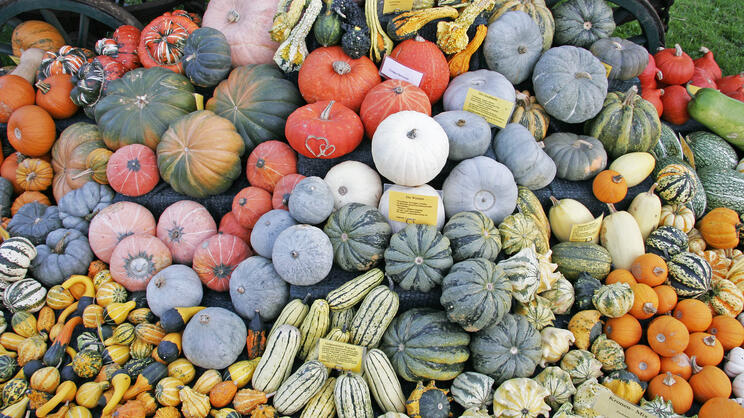
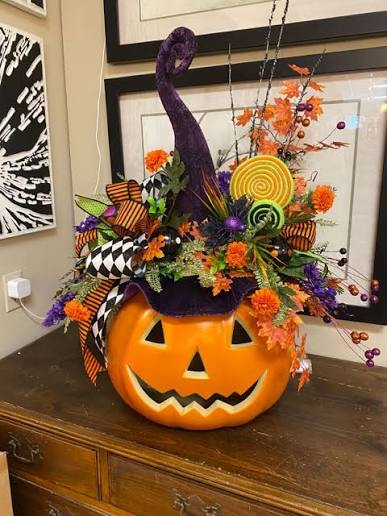
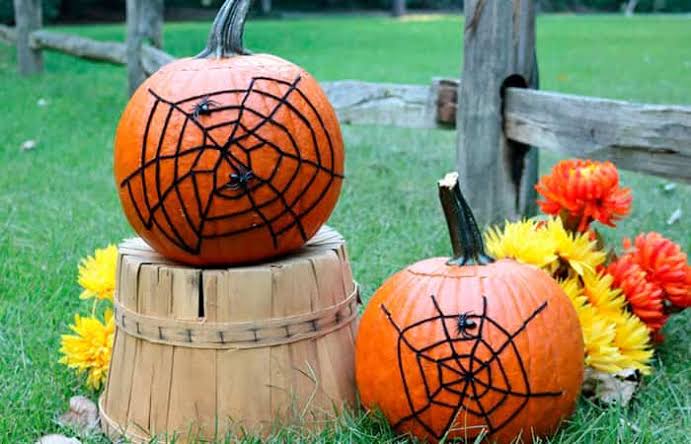
In Germany, Austria and Switzerland, so-called ‘beetroot processions’ used to take place in many places at the time of the beetroot harvest, and these varied from region to region. In East Frisia, for example, it was once customary for the children of the poor to go from house to house on St Martin’s Day dressed as ‘Kipkapköögels’ – beetroot ghosts – and beg for food. The Kipkapköögels were hollowed-out fodder beets decorated with carved faces, illuminated from within by a candle. Over the years, however, this custom gradually fell into oblivion and was replaced by ‘St Martin’s singing’ in honour of the Catholic Saint Martin of Tours on the evening of 10 November. In Upper Lusatia, on the other hand, children would place the ‘Flenntippln’ – as the turnip spirits are called there – in the front gardens of neighbours and acquaintances, for example, and receive sweets in return. Nowadays, we draw on the pumpkin in all its variations for decorative ideas.
The origins of Halloween
Contrary to popular belief, the modern Halloween celebration probably did not originate in America, but in Europe. Many centuries ago, the Celts – who distinguished only between the two seasons of summer and winter – celebrated a festival on the evening between summer and winter, during which they commemorated their dead and offered them food. However, as the Celts developed an ever-increasing fear of death over the years, they began to dress up in order to outwit death.
When the descendants of the Celts, the Irish, eventually emigrated to America in the 19th century, the Halloween tradition spread there too. And because, since the introduction of the Gregorian calendar, the tradition has always taken place on 31 October – the day before the Catholic feast of ‘All Saints’ – it came to be known there as ‘All Hallows’ Eve’, abbreviated to Halloween.
Halloween celebrations are becoming increasingly popular
Halloween parties have been hugely popular for years and are seen by many as the spooky version of carnival. As well as masks and costumes, make-up is, of course, an essential part of the fun. Latex, fake blood and other products for disfiguring one’s face are particularly popular for this. We’d like to introduce you to another option, as the so-called ‘sugar skull’ mask is making its way over to us from Mexico’s ‘Día de los Muertos’, the ‘Day of the Dead’. This is a floral and colourful take on the skull. We’ll show you how to achieve the look in the gallery below.
(Source: mein-schoener-garten.de)