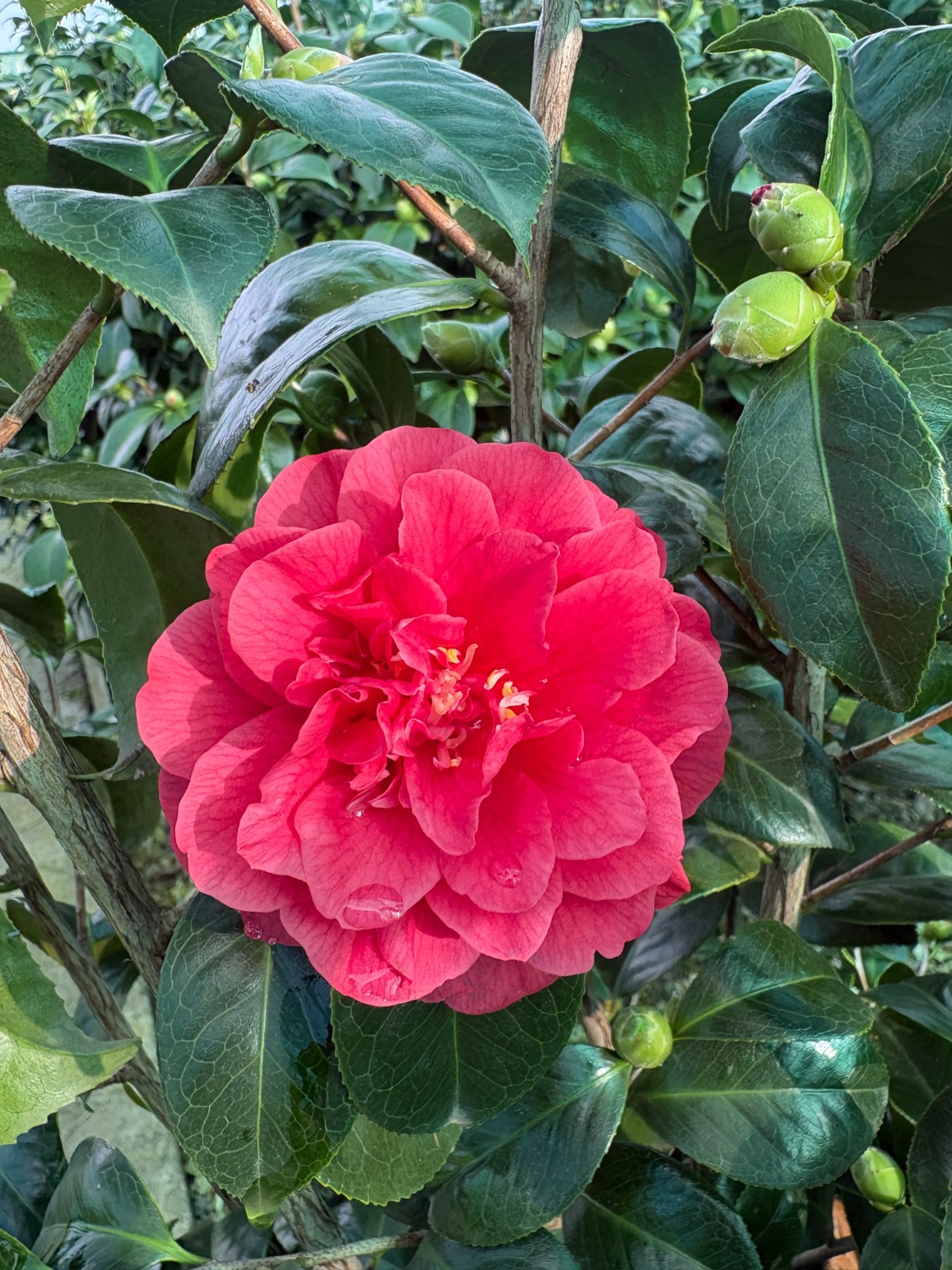
CAMELIA JAPONICA
Japanese Camellia (Camellia japonica)
The Japanese camellia (Camellia japonica) is named after Georg Kamel. This Jesuit priest collected plants in East Asia in the 17th century, where the wild species originates. The tea family plant (Theaceae) grows there under the protection of light laurel forests and other woody plants. In this understory, humidity is high.
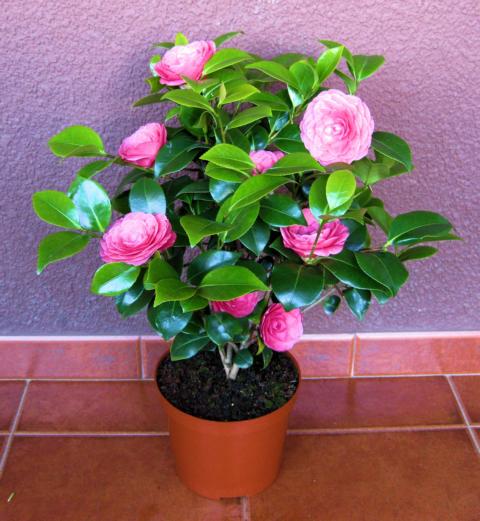
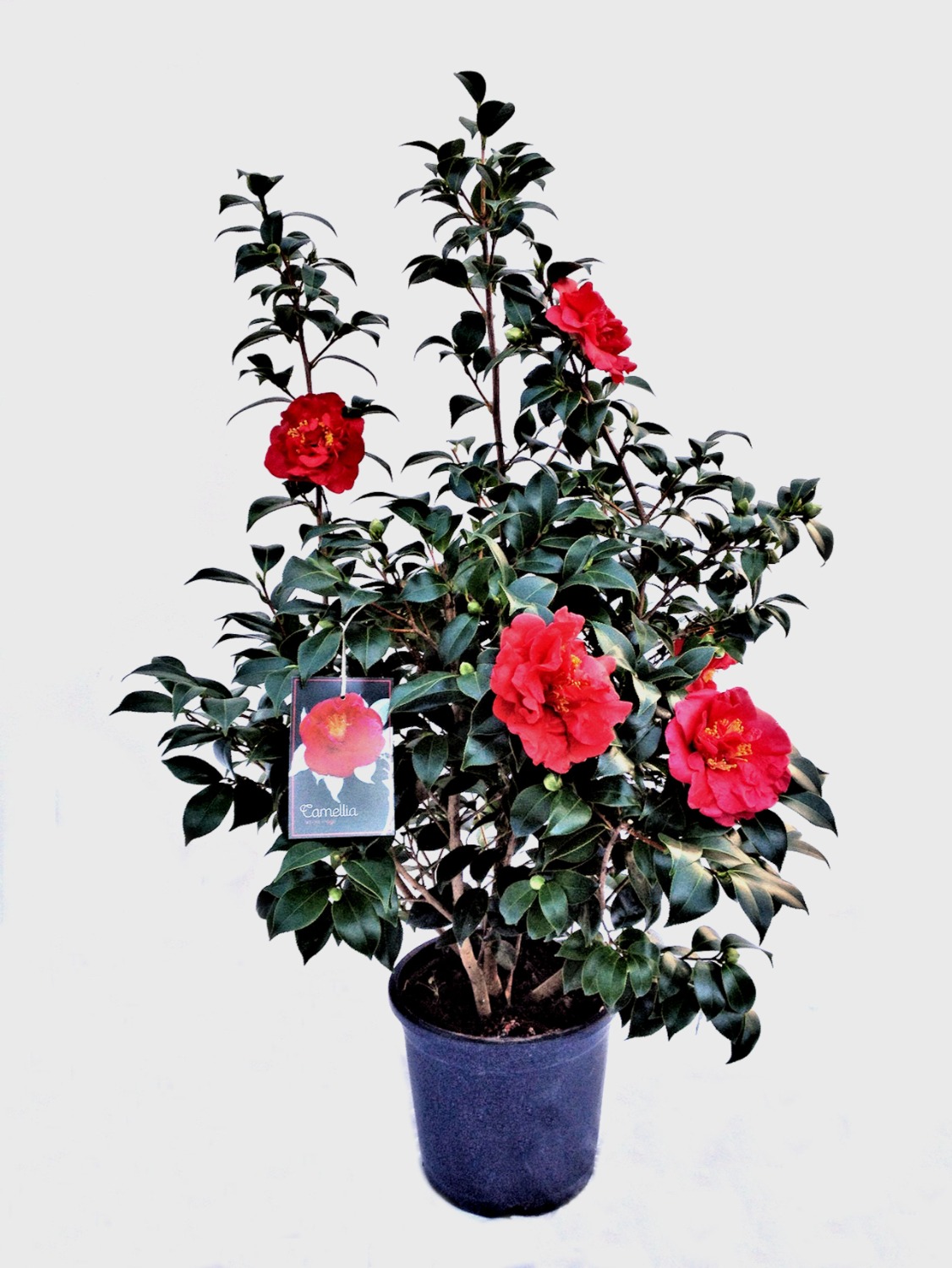
In most gardens in our climate zones, the requirements of this beauty, which comes from mild regions, are difficult to meet in frosty winters. However, the camellia is also not suitable as a houseplant. For this reason, it is best grown as a container plant: during the frost-free period, the “Japanese rose,” as the camellia is also called, stays outdoors; the rest of the time it should be kept in a bright and cool winter quarters. The dark green, oval leaves of Camellia japonica are attractively glossy.
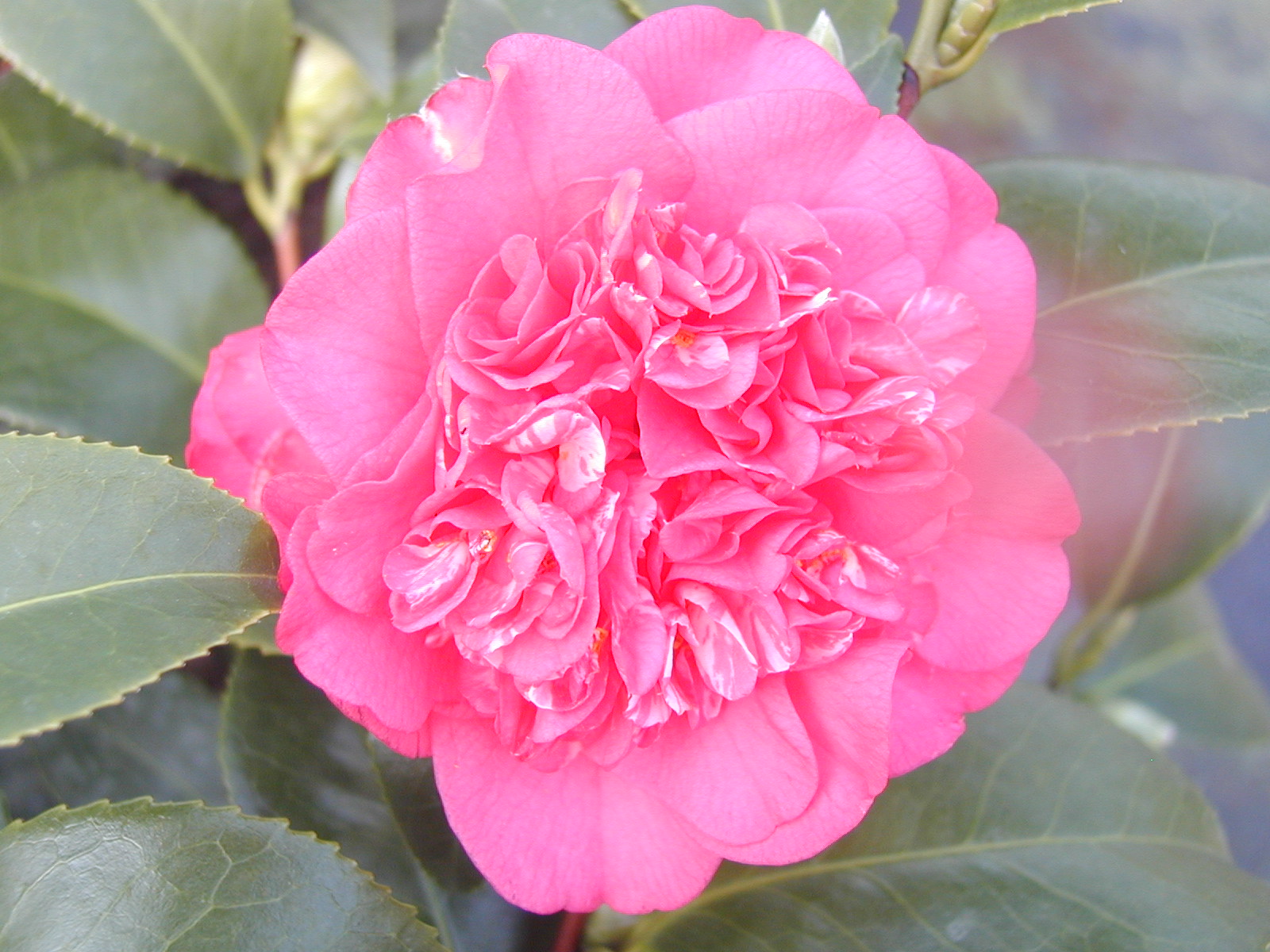
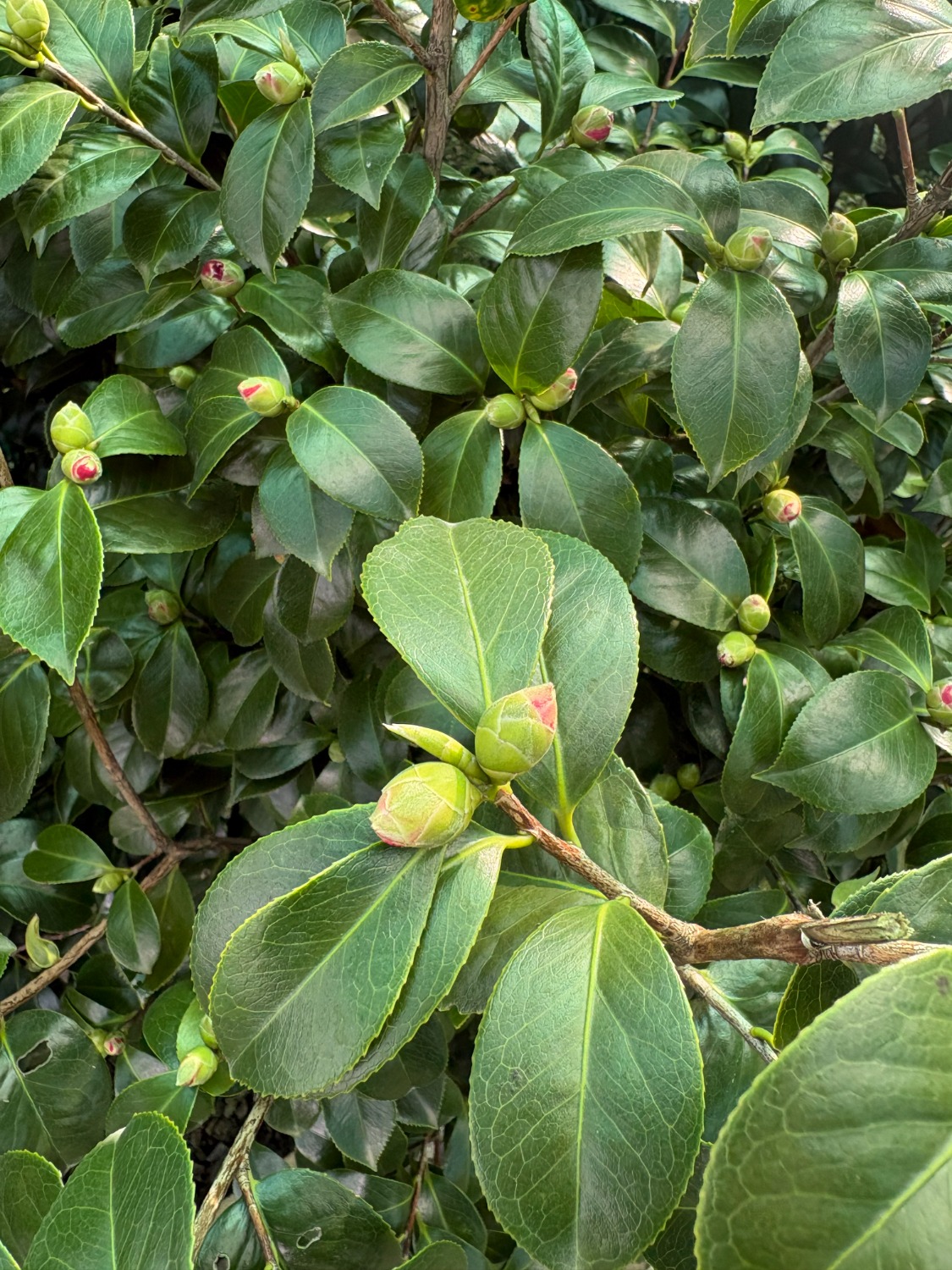
The flowers of the Japanese camellia provide a magnificent display depending on the location between November and May. The enormous variety of cultivars ranges from snow white to cream tones and shades of pink to the legendary camellia red. The flower forms are so diverse that they are classified into different types: single, peony-form, semi-double, anemone-form, double, or rose-form. Flowers can be solid-colored or striped. As early as June, the buds for the next flowering period begin to develop for the following year.
The fruits of Camellia japonica somewhat resemble chestnuts.
(Source: mein-schoener-garten.de)