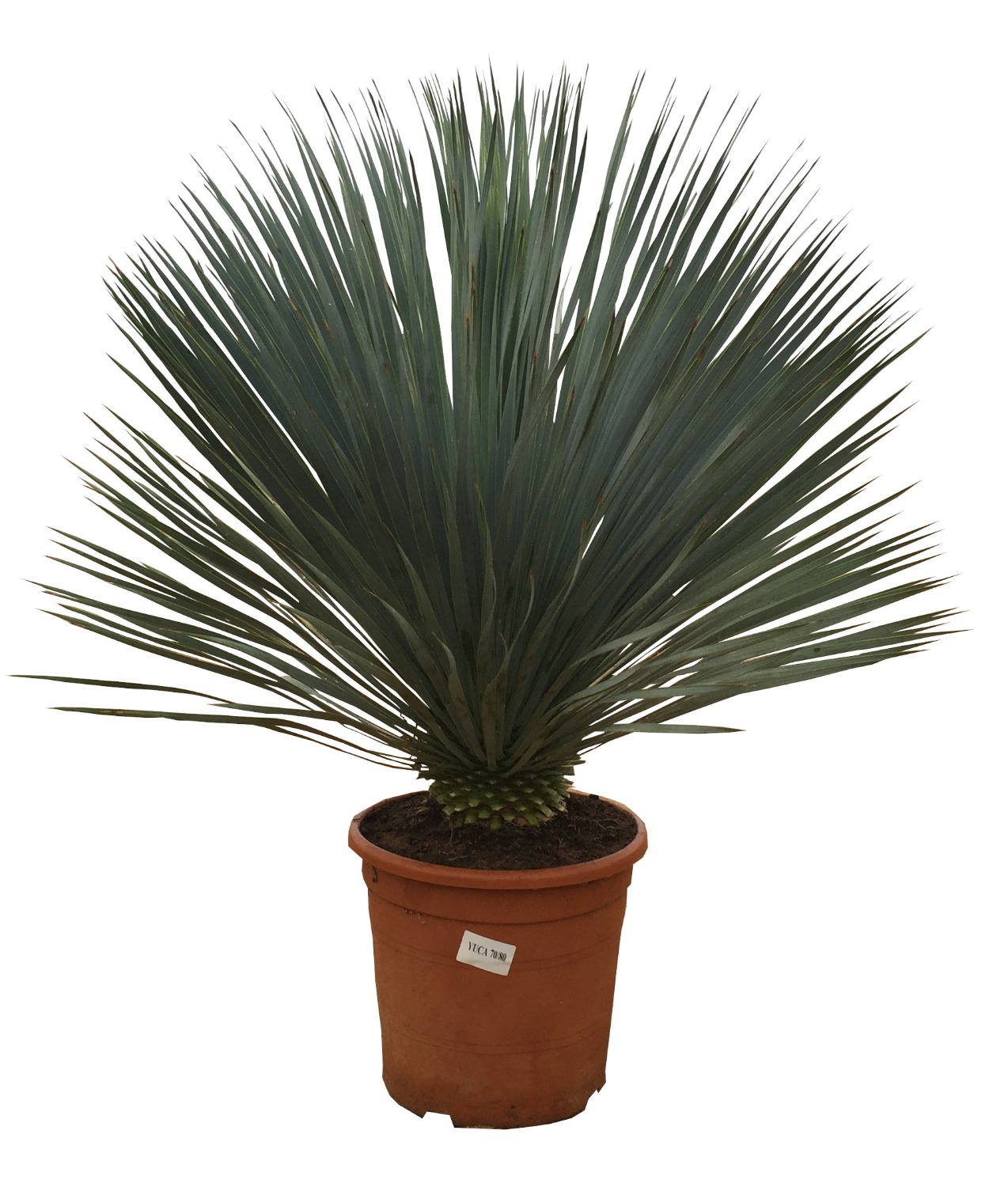
Yucca rostrata (Blue Beaked Yucca)
Origin
Yucca rostrata is one of approximately 40 species within the Yucca genus, which includes rosette-forming perennials, evergreen shrubs, and drought-tolerant evergreen trees. Commonly known as the Blue Beaked Yucca, this striking plant is native to western Texas and northern Mexico, particularly the geographically restricted region of Brewster County.
Today, Yucca rostrata is cultivated worldwide as an ornamental plant. Thanks to its perfectly symmetrical silhouette and architectural form, it is widely regarded as one of the most visually impressive and elegant yucca species.
Growth Habit
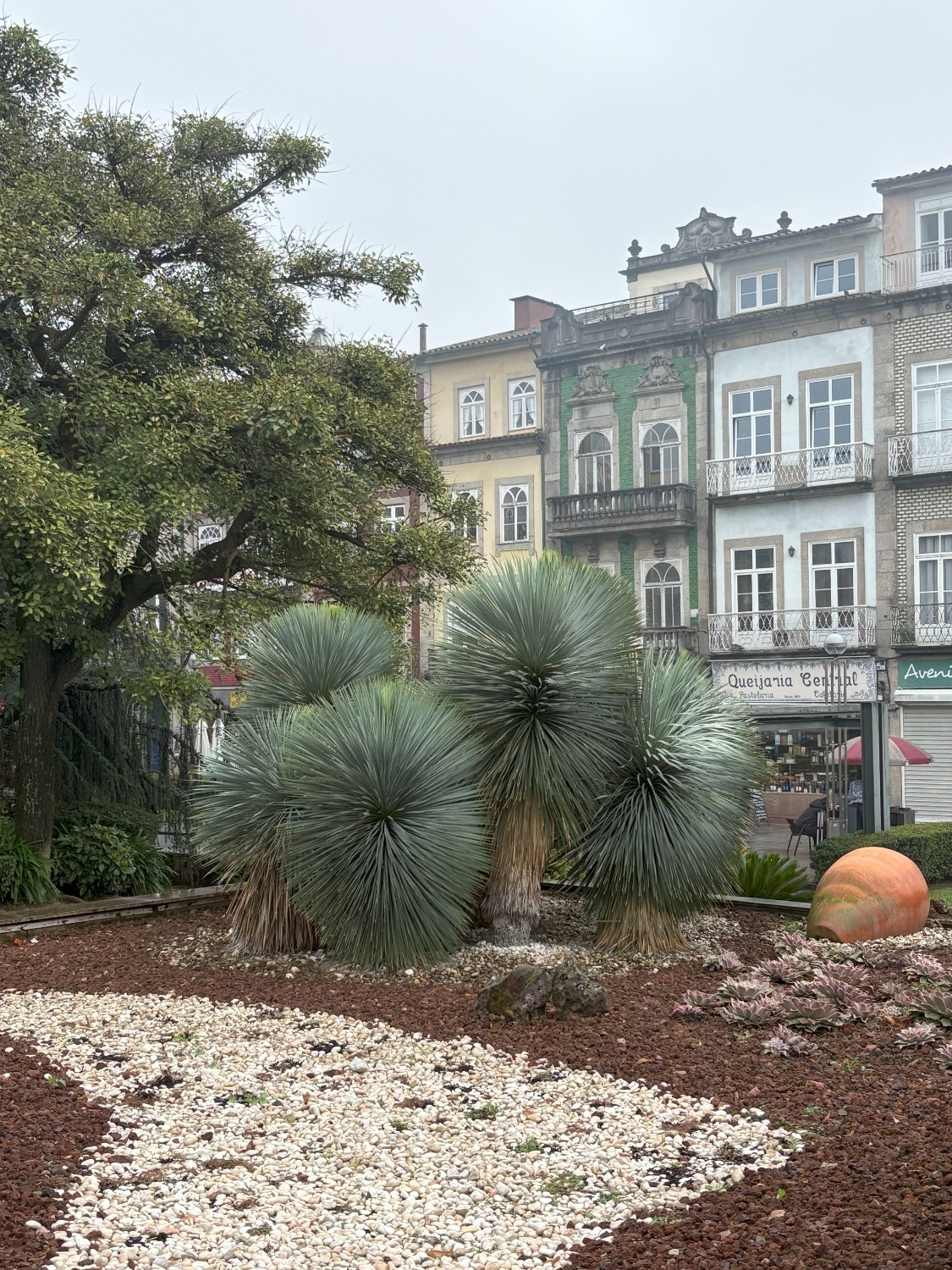
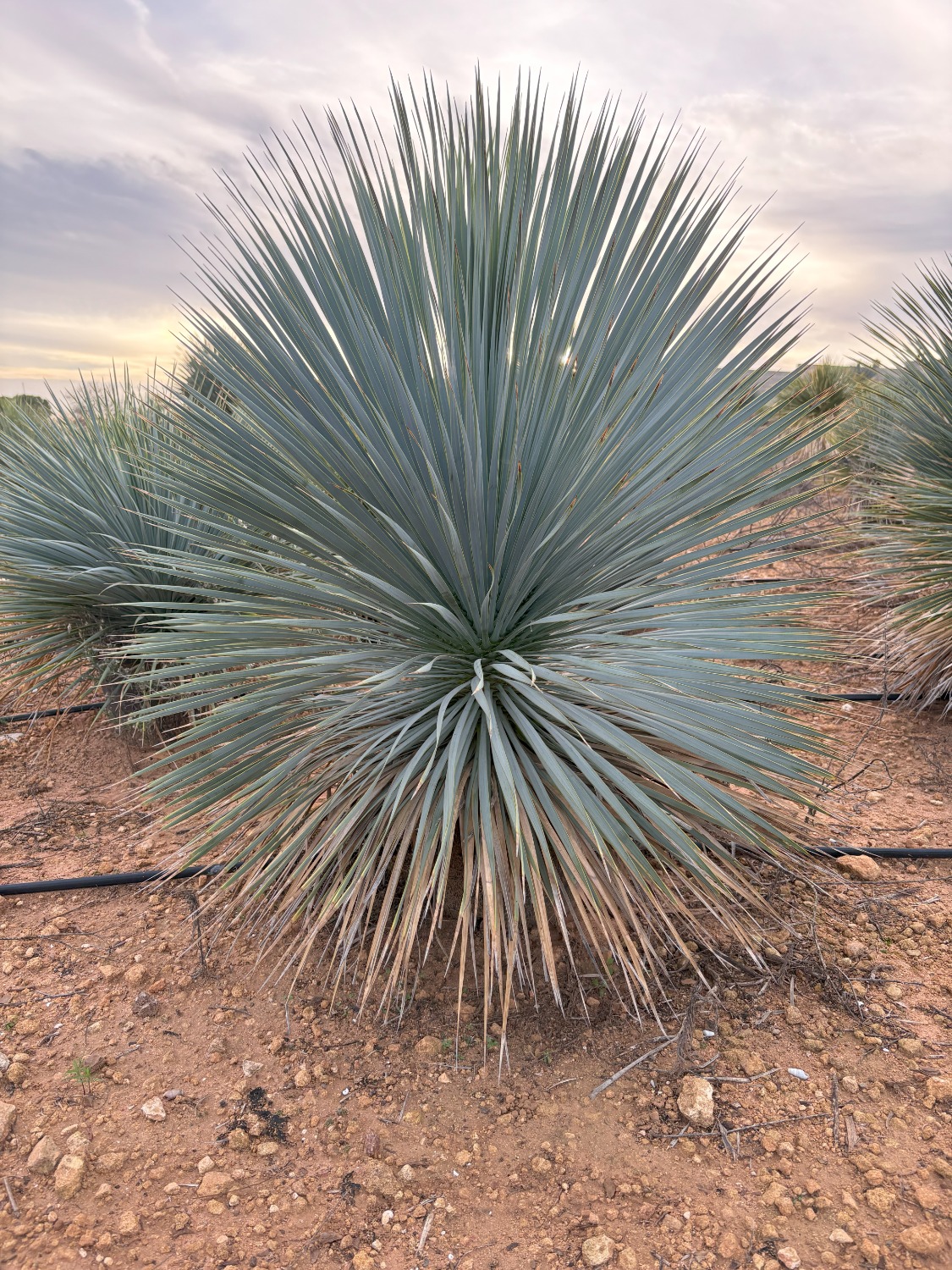
The evergreen, spherical crown of the Blue Beaked Yucca creates a fascinating sculptural effect with its clean, geometric structure. This slow-growing plant typically develops a single crown, although older specimens or plants that have experienced damage may produce multiple heads.
Each rosette consists of more than one hundred leaves. In its natural habitat, mature plants can develop a trunk reaching nearly four meters (13 feet) in height. The trunk is marked by the silvery-gray scars of old leaf bases, creating a distinctive textured appearance reminiscent of overlapping scales.
Foliage
The narrow, elongated leaves of Yucca rostrata have a slightly rough texture and typically measure between 40 and 60 centimeters (16–24 inches) in length while remaining less than 4 centimeters (1.5 inches) wide. Each leaf tapers to a pronounced pointed tip.
The leaf margins are finely serrated and appear as a delicate yellowish border, adding subtle contrast to the plant’s blue-green foliage.
Flowers
The flowering stalk rises above the foliage and can reach up to 2 meters (6.5 feet) in height. It bears a densely branched inflorescence with numerous bell-shaped flowers that hang gracefully downward.
The individual blooms can grow up to 6 centimeters (2.4 inches) long and range in color from pure white to creamy yellow. Flowering typically occurs in early spring, beginning around March.
Fruit
Under optimal growing conditions, Yucca rostrata produces upright seed capsules that split open when mature. These capsules are approximately 5 centimeters long and 2 centimeters wide.
Location and Growing Conditions
A bright, sunny position is essential for healthy growth. Yucca rostrata is highly cold-hardy and can tolerate temperatures as low as -20°C (-4°F), making it one of the most resilient yucca species.
As a native desert and semi-desert plant, it thrives in dry conditions and benefits from a location sheltered from strong winds. Protection from excessive winter moisture is particularly important, as wet conditions can damage the plant more than cold temperatures.
The Blue Beaked Yucca performs equally well in an unheated conservatory, office, or living space. During the summer months, it adds a dramatic exotic touch to terraces, patios, and balconies. When moving the plant outdoors, it is advisable to introduce it gradually by placing it first in a sheltered, partially shaded location.
For outdoor cultivation, the ideal position is under a roof, canopy, or other cover that protects the plant from excessive rainfall while allowing it to enjoy full sunlight.
-1772117864.jpg)