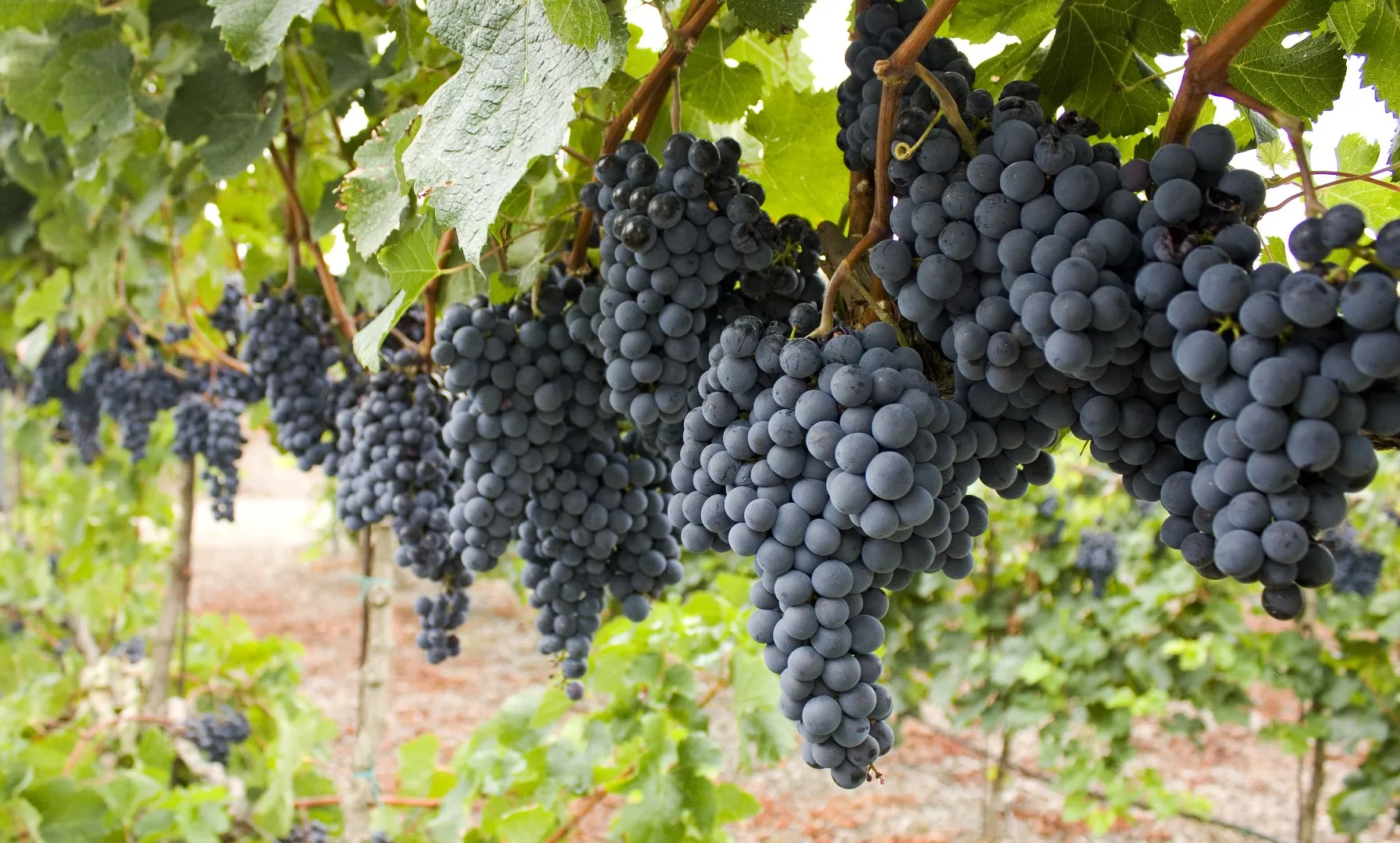
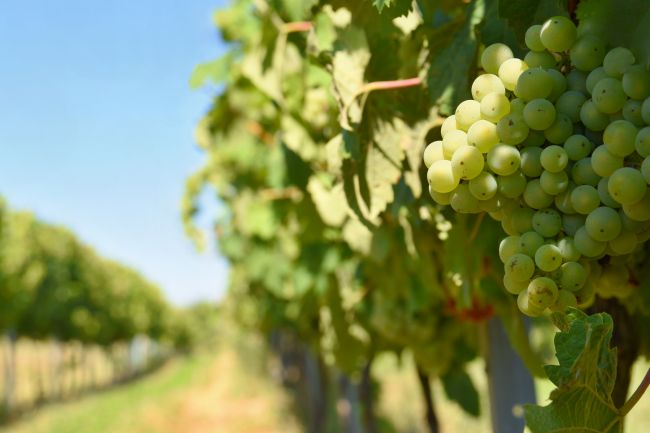
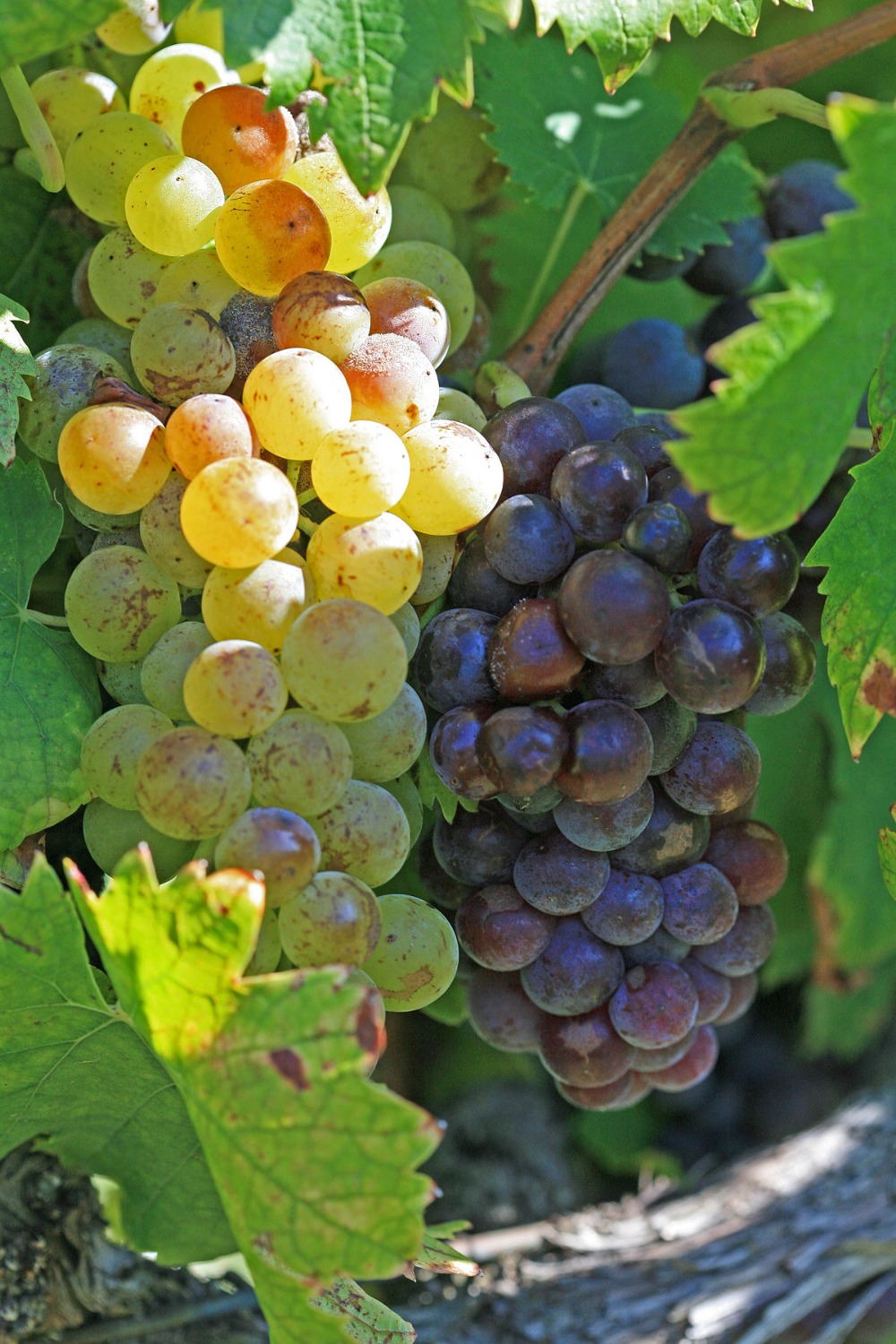
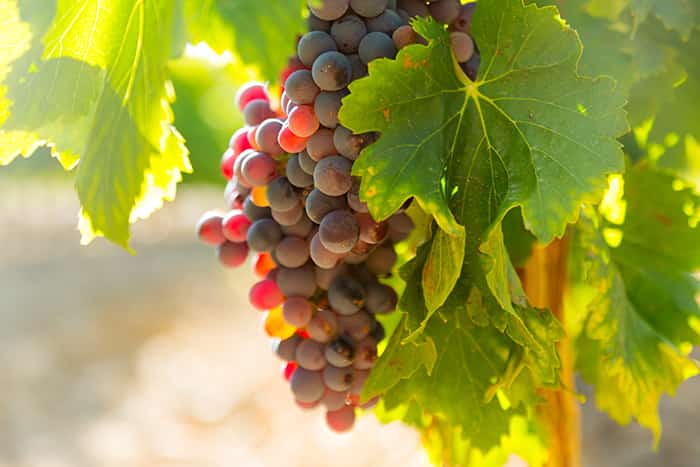
European Grapevine (Vitis vinifera)
European Grapevine (Vitis vinifera)
A Plant with Thousands of Years of History
Vitis vinifera, the European grapevine, has a rich history spanning thousands of years. It is believed to have been domesticated in the Caucasus region around 7,000 years ago before spreading westward through ancient trade routes across the Mediterranean and Europe.
In Spain, evidence of grape cultivation dates back to around 1100 BC, when the Phoenicians introduced viticulture to the region of Cádiz. Since then, the grapevine has become an integral part of the country's agricultural, cultural, and economic heritage.
Origin and Distribution
Domestication
The European grapevine is thought to have originated in the Caucasus, where it was first cultivated and selected for fruit production.
Expansion Across Europe
From its place of origin, the vine spread along major trade routes and became deeply rooted in the civilizations of ancient Greece and Rome, where wine played a central role in daily life and commerce.
Arrival in Spain
The grapevine reached the Iberian Peninsula around 3000 BC and was later extensively cultivated by the Phoenicians, who established vineyards in the Cádiz region and contributed to the development of viticulture throughout the Mediterranean.
The Cultural Importance of the Grapevine
Religion
Grapevines and wine held great significance in ancient religions. In Greece, wine was closely associated with the worship of Dionysus, the god of wine, fertility, and celebration.
Society
Wine became a symbol of hospitality, community, and celebration. It was commonly present at feasts, ceremonies, and important social gatherings.
Economy
Viticulture and winemaking have long been important economic activities. From ancient civilizations to modern times, the cultivation of grapes continues to support local economies and international trade.
Evolution and Adaptation
Grape Varieties
Over centuries, countless varieties of Vitis vinifera have been developed and adapted to different climates, soils, and growing conditions.
Among the most widely cultivated table grape varieties in Spain are:
- Moscatel
- Cardinal
- Napoleon
- Rosetti
- Aledo
Each variety offers unique characteristics in terms of flavor, appearance, harvest season, and adaptability.
Pests and Challenges
Throughout its history, Vitis vinifera has faced numerous challenges, including devastating pests such as phylloxera. These threats prompted extensive research and innovation, leading to the development of more resilient cultivation techniques and resistant rootstocks.
A Lasting Legacy
Few plants have influenced human civilization as profoundly as Vitis vinifera. For thousands of years, the grapevine has shaped cultures, religions, traditions, and economies across the world.
Its remarkable adaptability, the diversity of its varieties, and its enduring importance in agriculture have ensured its place as one of the most valuable and celebrated plants in human history.
Adapted from historical and viticultural sources.