Euphorbia pulcherrima – The Poinsettia: A Festive Beauty
Euphorbia pulcherrima, better known as the poinsettia, is a popular houseplant that is especially well known during the Christmas season for its bright red bracts. This magnificent plant not only has a festive appearance but also an interesting history and care requirements, making it a special challenge for plant enthusiasts.
Origin and history
The poinsettia is originally from Mexico, where it is called Flor de Nochebuena (Flower of the Holy Night). In its native habitat, it can grow as a shrub or small tree reaching up to 4 meters in height. The plant was brought to North America in 1825 by Joel Poinsett, the first U.S. ambassador to Mexico. In honor of Poinsett, the plant was later named after him.
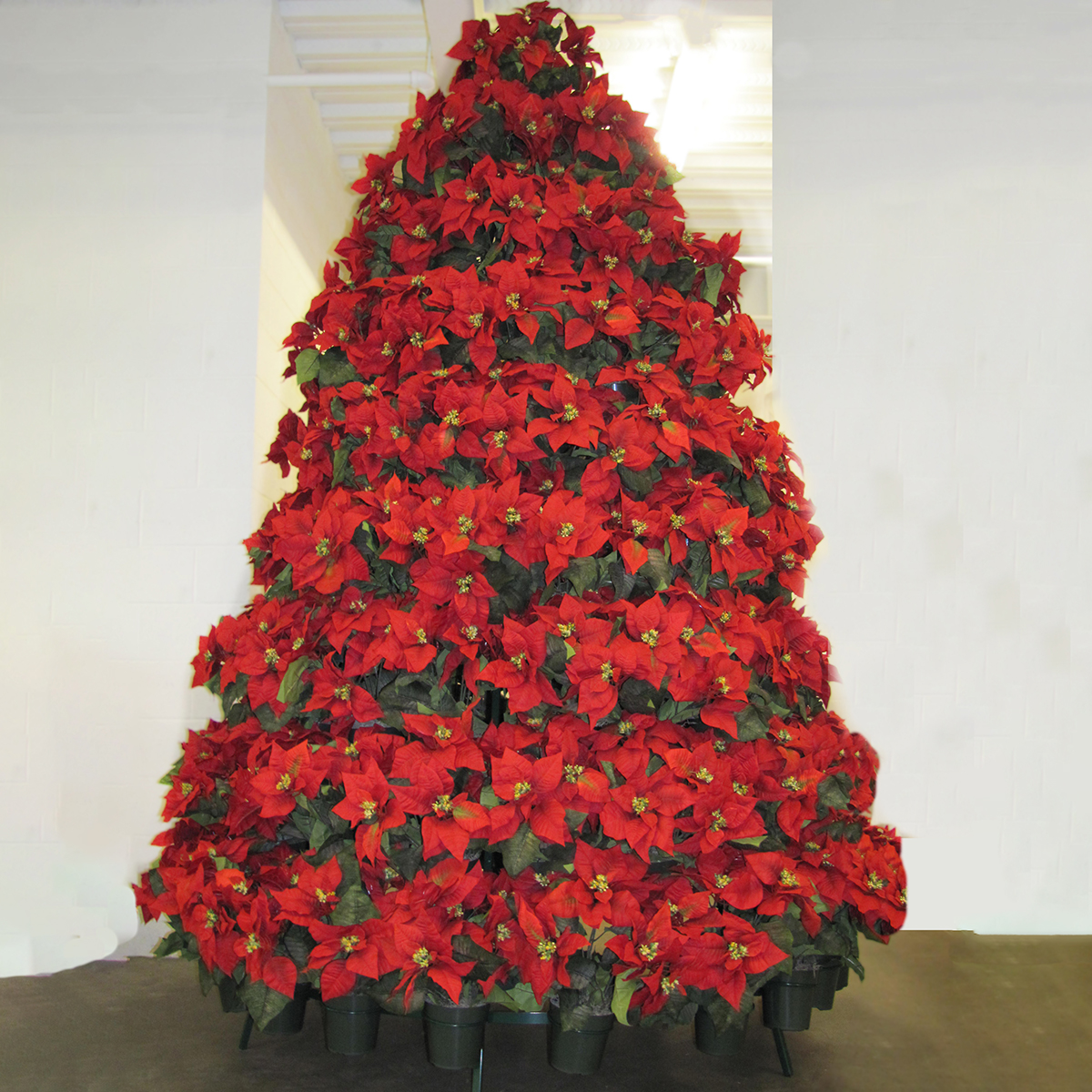
In Mexico, the poinsettia has been revered for centuries during the Christmas season and holds deep cultural significance. Today, it is a symbol of the festive season in many countries around the world and is especially used at Christmas in homes, churches, and public spaces.
Characteristics and appearance
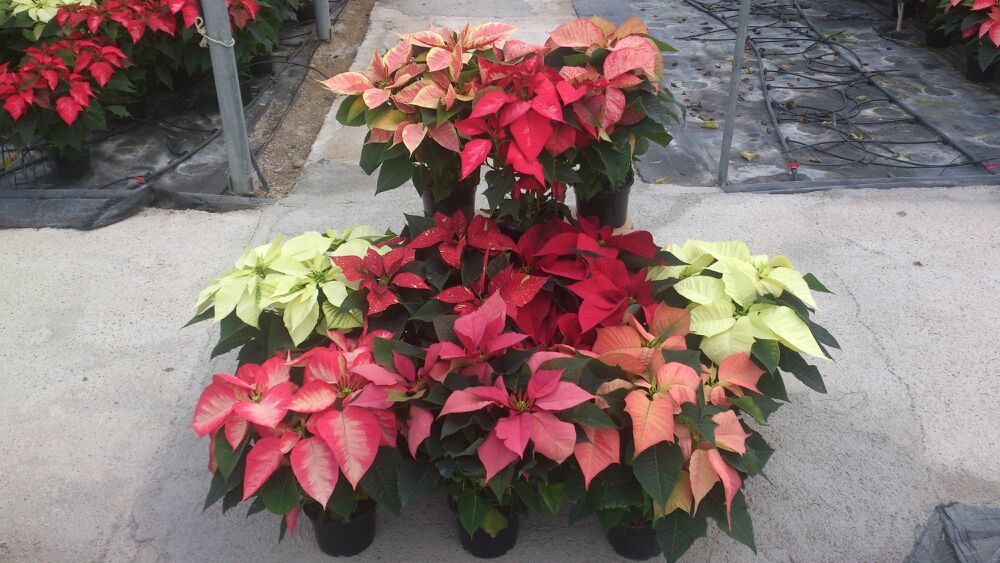
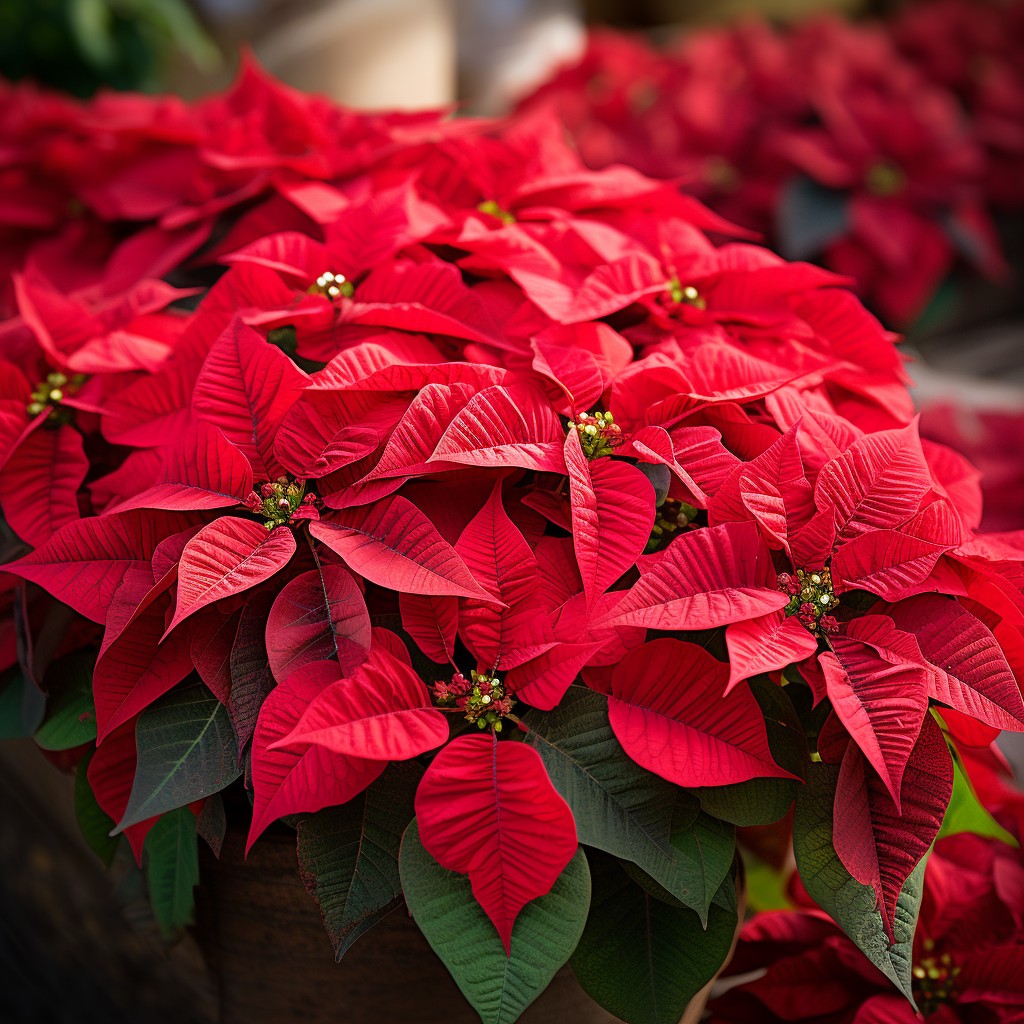
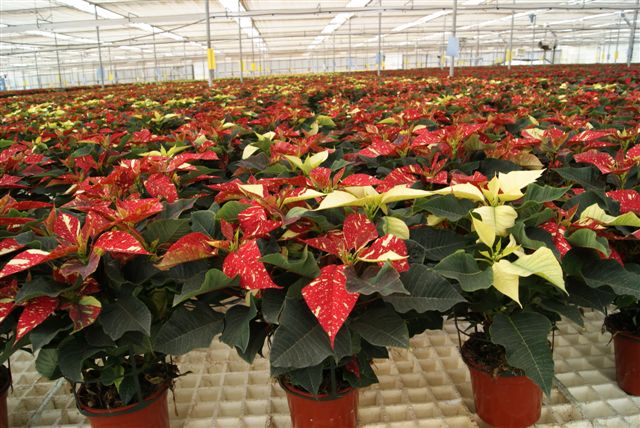
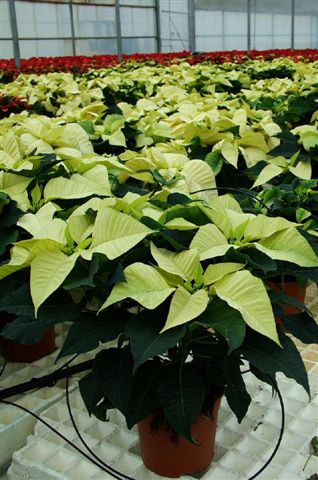
The poinsettia is characterized by its striking red, white, pink, or yellow bracts, which are often mistaken for the actual flowers. In fact, the small, inconspicuous flowers located in the center of the plant are the true blossoms. The colorful bracts serve only to attract pollinators.
The plants are bushy and can reach a height of 30 cm to 1 meter depending on the variety. The leaves are dark green, elongated, and pointed, giving the plant its characteristic shape. The color range of the bracts is very diverse, ranging from classic red and white tones to soft pink and purple shades.
Care and maintenance
The poinsettia is a relatively demanding plant that requires special care to maintain its vibrant colors. The key points for successful care are:
- Light conditions: Poinsettias prefer bright but indirect light. Too much direct sunlight can burn the leaves, while too little light slows growth and causes the colors to fade.
- Temperature: The ideal temperature is between 18 and 22°C. Cold drafts or low room temperatures should be avoided, as they can quickly damage the plant.
- Watering: Poinsettias require regular but moderate watering. The soil should always be kept moist but not wet. Excess water can lead to root rot, one of the most common causes of plant death.
- Fertilizing: During the flowering period, monthly fertilization with liquid fertilizer can support growth. After flowering, fertilization should be reduced.
- Repotting and post-flowering care: After Christmas, most poinsettias begin to lose their leaves. To make the plant bloom again the following year, it should be pruned regularly, repotted in spring, and exposed to at least 12 hours of complete darkness per day to encourage flowering.
Symbolism and meaning
The poinsettia is not only a Christmas favorite because of its beauty but also carries a deeper symbolic meaning. In Mexico, it is seen as a symbol of the “Star of Bethlehem” and the celebration of the birth of Jesus. In the United States, the poinsettia was declared the national flower in 1851, and December 12, the anniversary of Joel Poinsett’s death, was established as “National Poinsettia Day” in his honor.
In many cultures around the world, the poinsettia is regarded as a symbol of hope and joy and has therefore become an essential part of Christmas decorations.
Conclusion
Euphorbia pulcherrima, or poinsettia, is more than just a Christmas decoration. It combines cultural history, symbolic meaning, and aesthetic beauty in a plant that brings joy during the winter months. With proper care, it can not only enhance the festive atmosphere but also become a long-lasting companion in the home or garden.