CHORISIA SPECIOSA (CEIBA SPECIOSA)
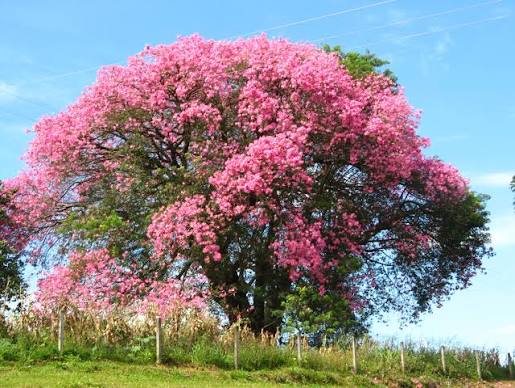
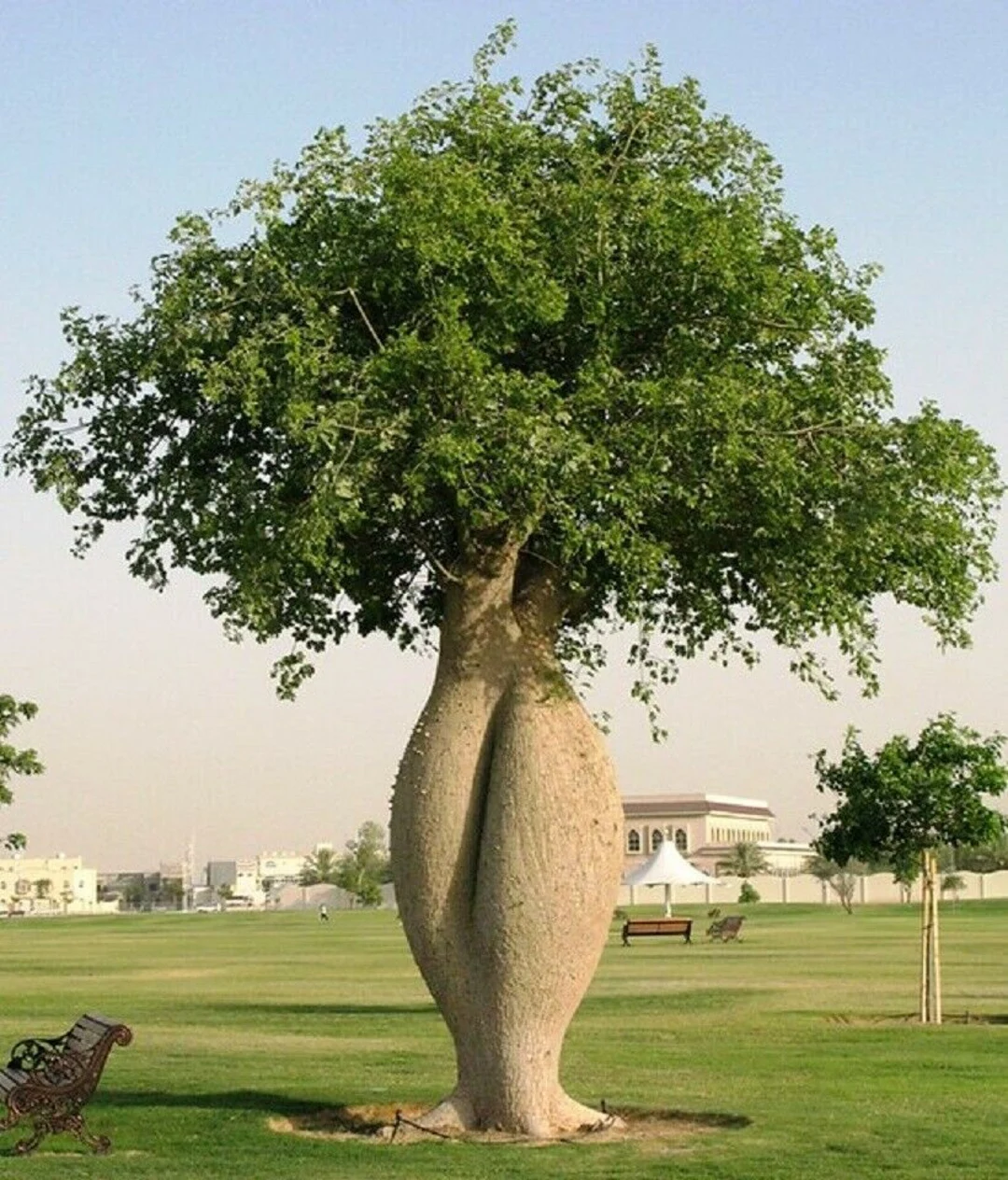
Chorisia speciosa is a highly ornamental tree, also known as the ‘bottle tree’ or ‘drunken tree’. It is a deciduous tree with a dense crown that bears striking pink flowers with white-yellow centres in late summer and can reach a height of around 15 metres.
It is characterised by its spectacular flowers and incredible hardiness. Native to South America, this species belongs to the Malvaceae family and is related to the famous Ceiba pentandra.
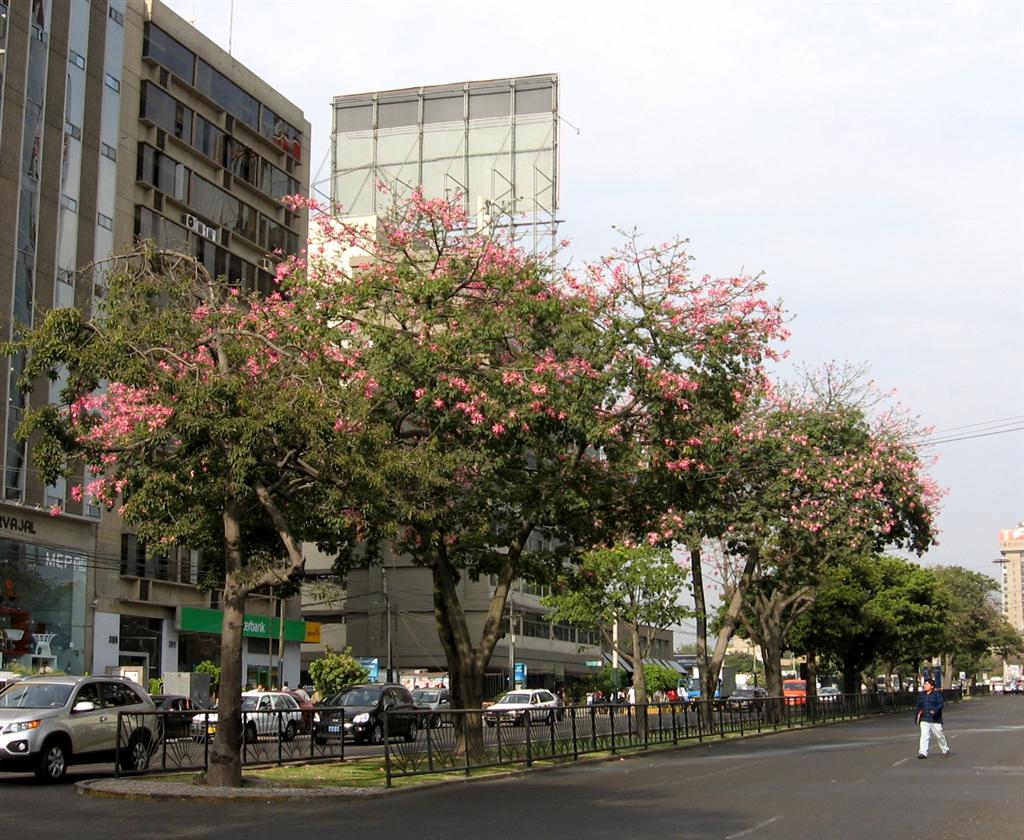
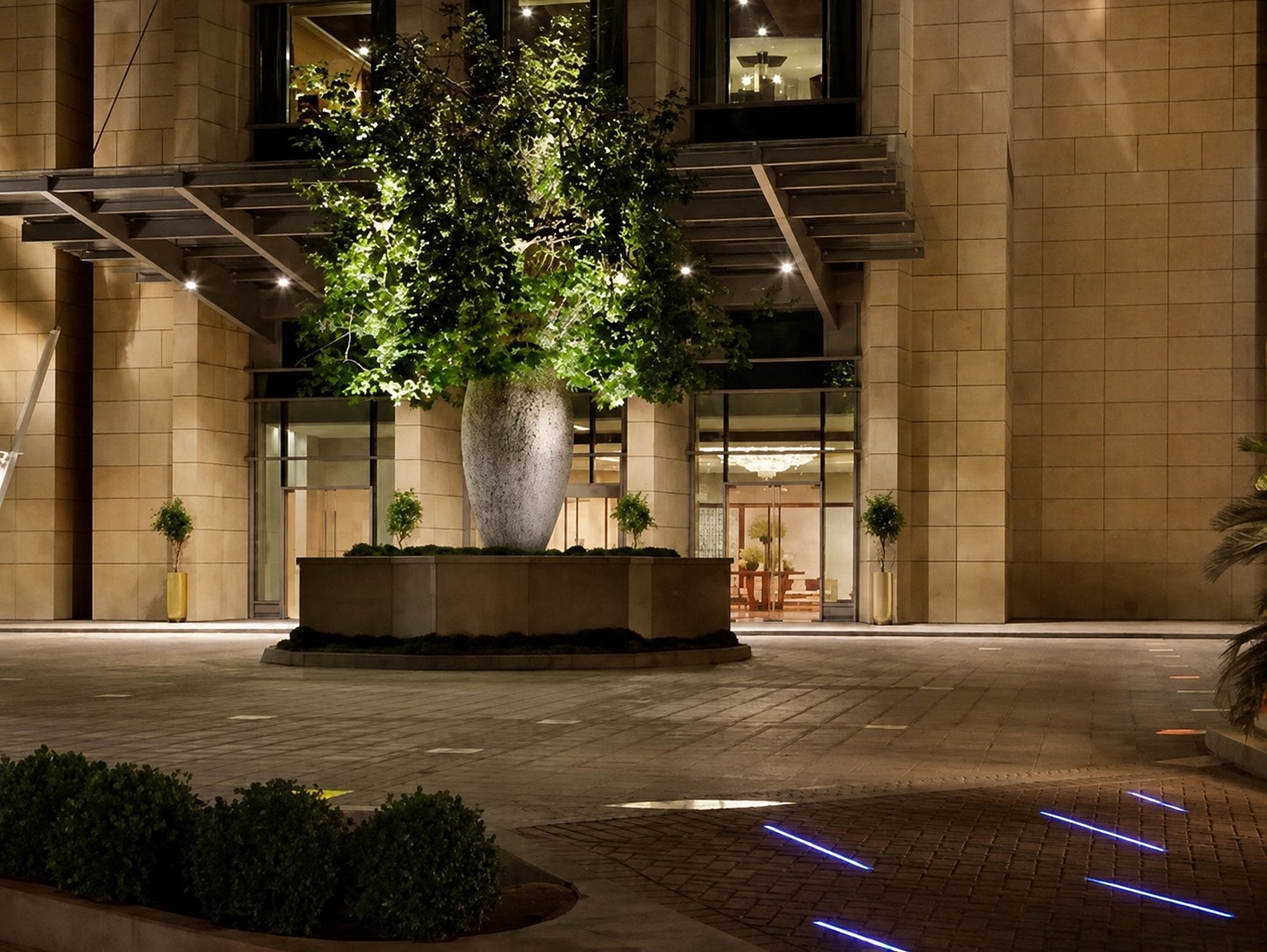
With its majestic stature and adaptability to different climatic conditions, the Chorisia – Ceiba is one of the most popular choices for urban greening, in parks and along avenues, where it provides shade, offers a beautiful sight and withstands adverse weather conditions.
Chorisia – Ceiba: History and Origin
The Chorisia – Ceiba is native to South America, where it is found in Brazil, Argentina, Paraguay and Bolivia. Owing to its hardiness and wide range of uses, this tree has long been utilised extensively by indigenous communities:
• Its thorny trunk and light wood have been used to make boats and everyday objects.
• Oils are extracted from its seeds, which are used in cosmetics and food.
• The cotton-like material surrounding the seeds, known as ‘kapok’, is used as filling for pillows and mattresses.
Owing to its high ornamental value and adaptability, the Chorisia – Ceiba has been introduced to various regions around the world, including:
• the United States (Florida, California and Texas), where it is planted in parks and avenues because of its spectacular flowering.
• Mediterranean regions of Europe such as Spain and Italy, where it thrives in temperate and arid climates.
• Asia and Africa, where it is used in afforestation projects and urban landscaping.
Thanks to its rapid growth, hardiness and beauty, this species remains one of the most popular in gardening and landscaping.
Description of the Chorisia – Ceiba
The Chorisia – Ceiba is a fast-growing tree with an exotic appearance and distinctive features.
• Impressive height: Depending on growing conditions, it can reach a height of 10 to 25 metres.
• Thick, thorny trunk: Its green trunk, which is thickened at the base, features cone-shaped thorns that protect it from predators.
• Deciduous, compound leaves: Its leaves consist of several leaflets, giving it a light and elegant appearance.
• Striking flowers: It produces large pink, white or yellow flowers, similar to those of the hibiscus.
• Woody, cotton-like fruits: Its capsules contain white, cotton-like fibres that aid in the dispersal of the seeds.
• Climate resilience: It tolerates warm temperatures, dry spells and poor soils.
Thanks to its majestic stature and low maintenance requirements, the Chorisia – Ceiba is ideal for spacious gardens, tree-lined avenues and afforestation projects.
Distribution and habitat of the Chorisia – Ceiba
The Chorisia – Ceiba is native to South America, where it is found in Brazil, Argentina, Paraguay, Bolivia and Uruguay. Its natural habitat comprises tropical and subtropical forests, although it can also grow in drier climates.
It thrives in:
• humid and warm regions where there is abundant rainfall for part of the year.
• dry areas and savannahs, where it can survive thanks to its ability to store water in its trunk.
• barren and stony soils, demonstrating great adaptability to difficult soil conditions.
Owing to its hardiness and beauty, the Chorisia – Ceiba has been introduced to many other countries and is cultivated there:
• in the United States (Florida, California, Texas and Arizona), where it is used in urban landscaping and in parks.
• in the Mediterranean regions of Europe, such as Spain, Italy and Greece, where it thrives in temperate and arid climates.
• Asia and Africa, where it is used in afforestation and ecological restoration projects in arid regions.
Due to its high adaptability and resilience to dry climates, the Chorisia – Ceiba is ideally suited to sustainable horticulture and afforestation projects across various ecosystems.
The Chorisia – Ceiba is not threatened with extinction and is widely cultivated in nurseries and gardens. However, its population has declined in some regions due to the following factors:
• Deforestation and the expansion of agriculture, which have reduced its natural habitat.
• Logging for the production of canoes, furniture and other products.
• Climate change, which is affecting its growth and reproduction cycle.
Despite these challenges, the Chorisia – Ceiba remains a key species in its ecosystem, as it:
• Provides shade and regulates the temperature in hot ecosystems.
• Its fruits and flowers are a source of food for birds and pollinating insects.
• Its trunk stores water, thereby helping other species to survive during periods of drought.
• Due to its rapid growth and resilience, it is one of the best options for afforestation projects.
Thanks to its graceful beauty and ecological importance, the Chorisia – Ceiba remains one of the most commonly used species in horticulture, urban landscaping and ecological restoration projects.
The Chorisia – Ceiba is mainly propagated by seed, as it grows rapidly and germination occurs easily under suitable conditions.
The Chorisia – Ceiba is an easy-to-care-for tree, but it does require certain specific care measures to ensure it thrives.
(Source: plant.net)