Did you know that…
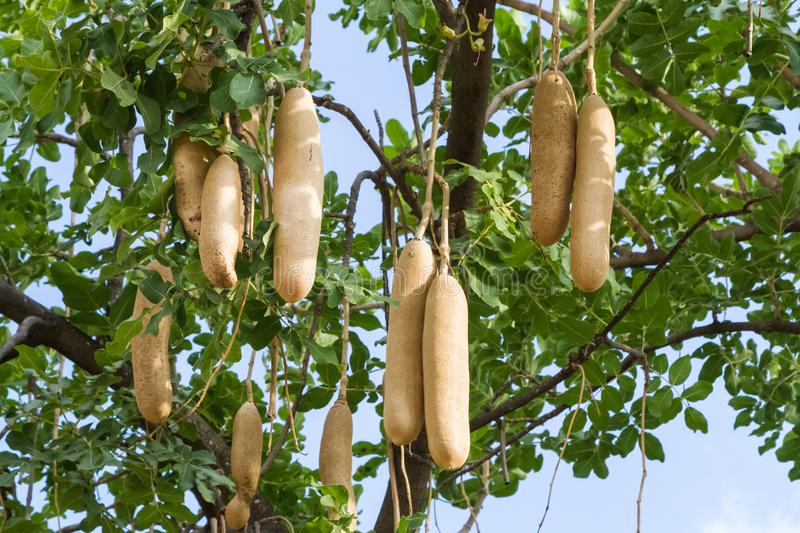
…that walnuts are actually a type of fruit? That plants can be “petted” to help them stay healthy? And that in Africa there is a tree whose fruits look like liver sausages? We’ve all heard such strange facts before. Here are some more surprising truths and quirky phenomena from the plant world that fascinate not only gardeners.
Plants can suffer from jet lag
Just like humans, plants have an internal clock that controls their biorhythm and is influenced by sunlight. This is how they know, for example, when to open and close their flowers and how to conserve their resources. If this rhythm is disrupted, they grow much more poorly. In cultivation and breeding, gardeners therefore need to ensure that the plant’s internal clock matches the day–night cycle as closely as possible.
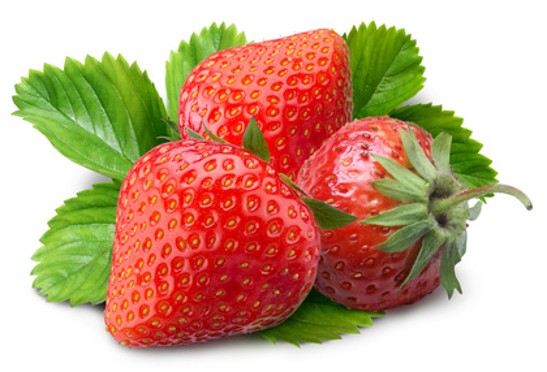
Strawberries are the only fruit with seeds on the outside
Normally, seeds are found inside fruit. Not so with strawberries, which carry their seeds on the outside instead. On average, a single strawberry contains around 200 seeds. But that’s not the only curious fact: despite their name, strawberries are not technically berries at all, but so-called aggregate accessory fruits.
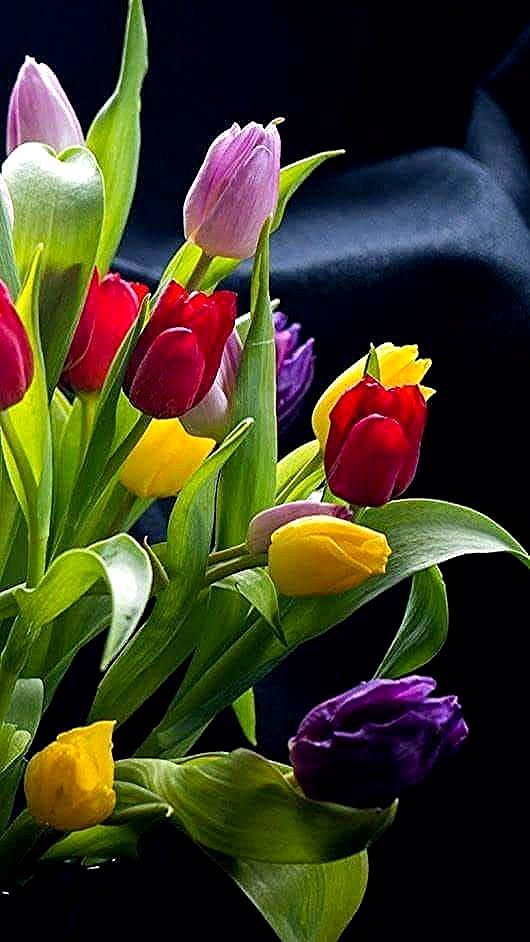
In the 17th century, tulips were worth more than gold
After being introduced to the Netherlands in the second half of the 16th century, tulips quickly became extremely popular. The Dutch were fascinated by their bright colours and variety. Wealthy families decorated their gardens with them. As demand exceeded supply, prices skyrocketed and tulip bulbs became a speculative asset. In 1633, a house in the port city of Hoorn was reportedly sold for just three tulip bulbs. Eventually, the market collapsed almost overnight, causing significant economic damage.
Plants can get sunburn too
Although plants need sunlight for photosynthesis, too much sun can also harm them. If exposure suddenly increases—because a shaded area disappears, for example—the plant does not have enough time to produce protective pigments. The result is sunburn, usually visible as discoloured leaves. In this case, the plant should be quickly moved out of direct sunlight, watered well, and damaged leaves removed.
The pumpkin is the largest berry in the world
Botanically speaking, a berry is a fruit in which the seeds are embedded in the flesh. This means that pumpkins—like aubergines, bananas, and tomatoes—belong to the berry family. Because of their hard outer shell, they are also referred to as pepo berries (hard-shelled berries).
The desert plant Welwitschia can live over 1,000 years
Welwitschia is Namibia’s national plant and is found only in the Namib Desert in Namibia and southern Angola. Even Namibia’s national rugby team is nicknamed “The Welwitschias.” What makes this plant so special is not only its age. Throughout its life, Welwitschia produces only a single pair of leaves, which continue to grow indefinitely. Although this is not immediately obvious, as the long green leaves split into many strips over time. Near the town of Swakopmund, a particularly large specimen can be seen—about the size of a human and estimated to be around 1,500 years old.